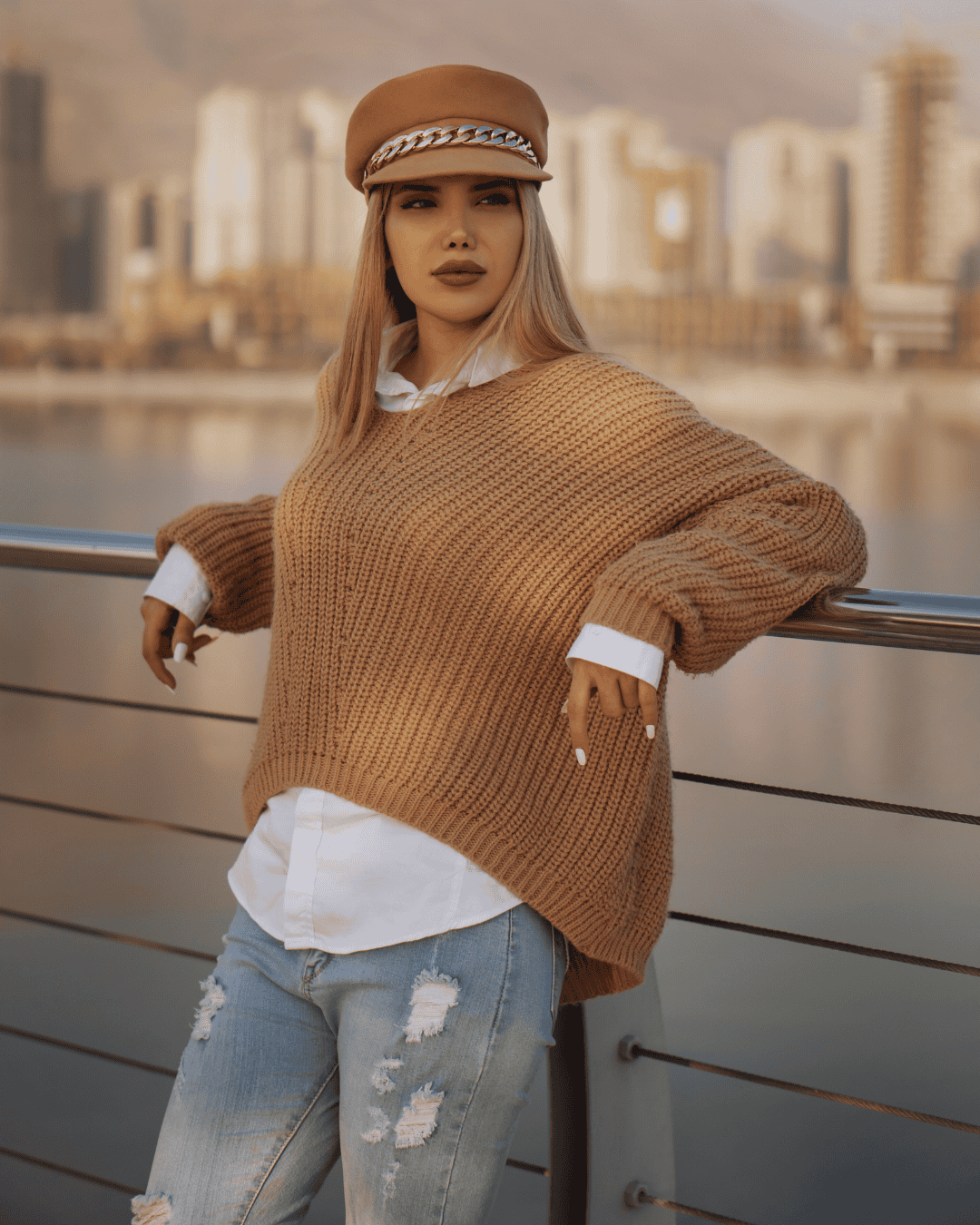
Layering outfits can transform a simple look into a polished and versatile ensemble. The secret lies in balancing textures, colours, and proportions to create harmony rather than bulk. Understanding these key elements allows anyone to layer with confidence and avoid common pitfalls.
Knowing how to select foundational pieces and build upon them helps maintain comfort and style throughout the day. When done right, layering not only enhances the outfit but also adapts easily to changing weather or settings.
This approach simplifies dressing, making it less about following trends and more about mastering a timeless skill. By focusing on fit and cohesion, layering becomes a practical and creative way to express personal style.
Mastering the Foundations of Confident Layering
Building a layered look begins with selecting the right pieces and understanding fit, function, and style. Every layer plays a role, from the base to the outermost garment. Choosing versatile items and combining textures creates both comfort and confidence.
The Role of the Base Layer
The base layer forms the foundation of any layered outfit. Lightweight base layers, such as thin cotton or moisture-wicking fabrics, provide comfort without bulk. This layer should sit comfortably against the skin to regulate temperature effectively.
Opt for neutral colours like white, grey, or black for flexibility in outfit combinations. Leggings or fitted tops work well as base layers and allow for smooth layering above. Proper base layers prevent overheating and keep the look streamlined.
Choosing Versatile Pieces
Versatile pieces allow easy mixing and matching, simplifying layering choices. A denim jacket or a trench coat serves as an excellent outerwear option because they pair with both casual and semi-formal outfits.
Cardigans, sweaters, and structured blazers add dimension and adapt to different temperatures. Choosing items in classic colours and simple designs maximises their use. Pieces that transition between seasons, like vests or fleece, increase practicality.
Achieving Proper Fit
Fit is critical for confidence in layered outfits. Each layer should complement the others without adding unnecessary bulk or restricting movement. Base layers must be snug but comfortable, preventing bunching under outer garments.
Sweaters and cardigans should allow room for layering underneath yet maintain shape. Jackets and coats like leather jackets or trench coats need to accommodate layers while preserving a clean silhouette. Proper fit avoids a bulky or sloppy appearance.
Strategic Outer Layers
Outer layers finalise the look and provide protection. Choosing the right outer layer depends on the weather and the occasion. A leather jacket adds edge, while a trench coat offers timeless elegance.
Layered outfits benefit from outerwear that balances style and function. Structured blazers work well for smart-casual looks. Combining textile textures, such as fleece under a denim jacket, enhances visual interest and comfort. Outer layers should complete the outfit without overwhelming it.
Elevating Style Through Textures and Proportions
Mastering the art of layering involves more than just adding pieces. It requires attention to how different fabrics interact and how proportions can influence the overall look. These elements define the effectiveness of layering across seasons and occasions.
Combining Different Textures
Layering with different textures adds visual interest and depth. Mixing materials like wool and silk creates a contrast between rough and smooth surfaces, making outfits more engaging. Denim offers a sturdy base, while cotton layers can soften the appearance.
When combining textures, keeping some cohesion is important. For instance, pairing a coarse wool jumper with a soft cotton shirt balances warmth and comfort without clashing. Texture contrast can also highlight specific pieces, drawing attention strategically within the outfit.
Balancing Proportions
Considering proportions is essential for confident layering. Oversized outer layers work well over slimmer, fitted base layers to avoid bulk. For example, a voluminous wool coat over a slim cotton shirt preserves shape and comfort.
Layered lengths also affect balance. Shorter jackets over longer tops can create a flattering silhouette, while avoiding overpowering the frame. Maintaining proportion between the top and bottom layers prevents the outfit from looking unstructured or sloppy.
Mixing Textiles for Dimension
Mixing textiles introduces dimensionality that enhances seasonal layering. Using breathable fabrics like cotton under heavier wools allows temperature regulation without sacrificing style. Silk scarves or shirts add a touch of luxury and lightness.
Creating dimension with textiles requires thoughtful pairing. Combining smooth materials like silk with textured denim can refresh basic combinations, making layering work for both casual and formal settings. Strategic textile mixing elevates the outfit’s complexity and appeal.
The Power of Accessories in Layered Outfits
Accessories bring focus and personality to layered outfits. They can define shapes, add colour, and balance proportions. The right accessories highlight elements without overwhelming the entire look.
Scarves to Add Flair
Scarves offer both function and style in layering. A vibrant scarf can introduce colour contrast or complement a neutral palette. They draw attention to the neck area, balancing out heavier layers below.
Material choice affects the outfit’s tone. Silk scarves add elegance while woollen or knitted ones emphasise warmth and texture. Their length and drape also influence the overall silhouette.
Scarves can be tied in various ways — loose wraps for casual comfort or neat knots for structure. Layering a scarf over a jacket collar or under a coat lapel enhances depth.
Hats and Beanies for Personality
Hats change the vibe of layered outfits instantly. A fedora or wide-brimmed hat adds sophistication, while beanies suggest casual ease. Each option complements different style intentions.
The fit and material are crucial. Wool hats offer warmth and shape retention; cotton caps provide lightweight comfort. Beanies with a slouch or cuffed style can soften otherwise tight or structured layers.
Colour coordination between hats and other accessories ensures cohesiveness. They can act as a bold focal point or a subtle finishing touch.
Belts and Statement Accents
Belts define the waist and structure loose layers. They prevent bulky silhouettes by cinching oversized sweaters or coats. Wide belts create clear hourglass shapes; thin belts add delicate definition.
Statement belts with unique buckles or textures become both functional and decorative. They break up monochrome layers and add visual interest.
Pairing belts with other accessories like bags or shoes can unify an outfit. Adjusting belt placement over cardigans or dresses controls layering flow and proportions effectively.
Seasonal and Occasion-Based Layering Strategies
Effective layering requires attention to both the season and the occasion. Key factors include fabric choice, temperature changes, and dress codes. Knowing how to adjust layers will help maintain comfort while looking appropriate.
Adapting to Each Season
In colder months, layering begins with thermal or moisture-wicking base layers to retain heat. Adding wool or fleece mid-layers followed by windproof or waterproof outerwear protects against harsh weather. In spring and autumn, lighter fabrics like cotton or linen serve as mid-layers to balance warmth and breathability.
Summer layering focuses on lightweight, breathable fabrics. Sheer or open-knit pieces work well for ventilation. Layering a thin shirt under a lightweight jacket allows adaptability when temperatures fluctuate.
Layering for Day-to-Night
Daytime outfits benefit from casual, functional layers like cardigans or light jackets. These pieces can be easily removed or added for temperature shifts or comfort in air-conditioned spaces. At night, structured layers such as blazers or tailored coats elevate the outfit to suit more formal settings.
Smart layering at night involves using darker colours and more polished fabrics like wool blends and silk. Layering scarves or shawls can add warmth without bulk while enhancing style for social events after work.
Functional Tips for Every Setting
Layering should consider both aesthetics and practicality. For outdoor activities, moisture-wicking base layers prevent discomfort while insulating layers offer temperature regulation. Avoid excessive bulk to maintain mobility.
In professional environments, layers must look sleek and fit well to avoid appearing bulky. Using thin, seamless under-layers and lightweight outer pieces creates a neat silhouette. Colour coordination across layers helps maintain a cohesive, polished look.