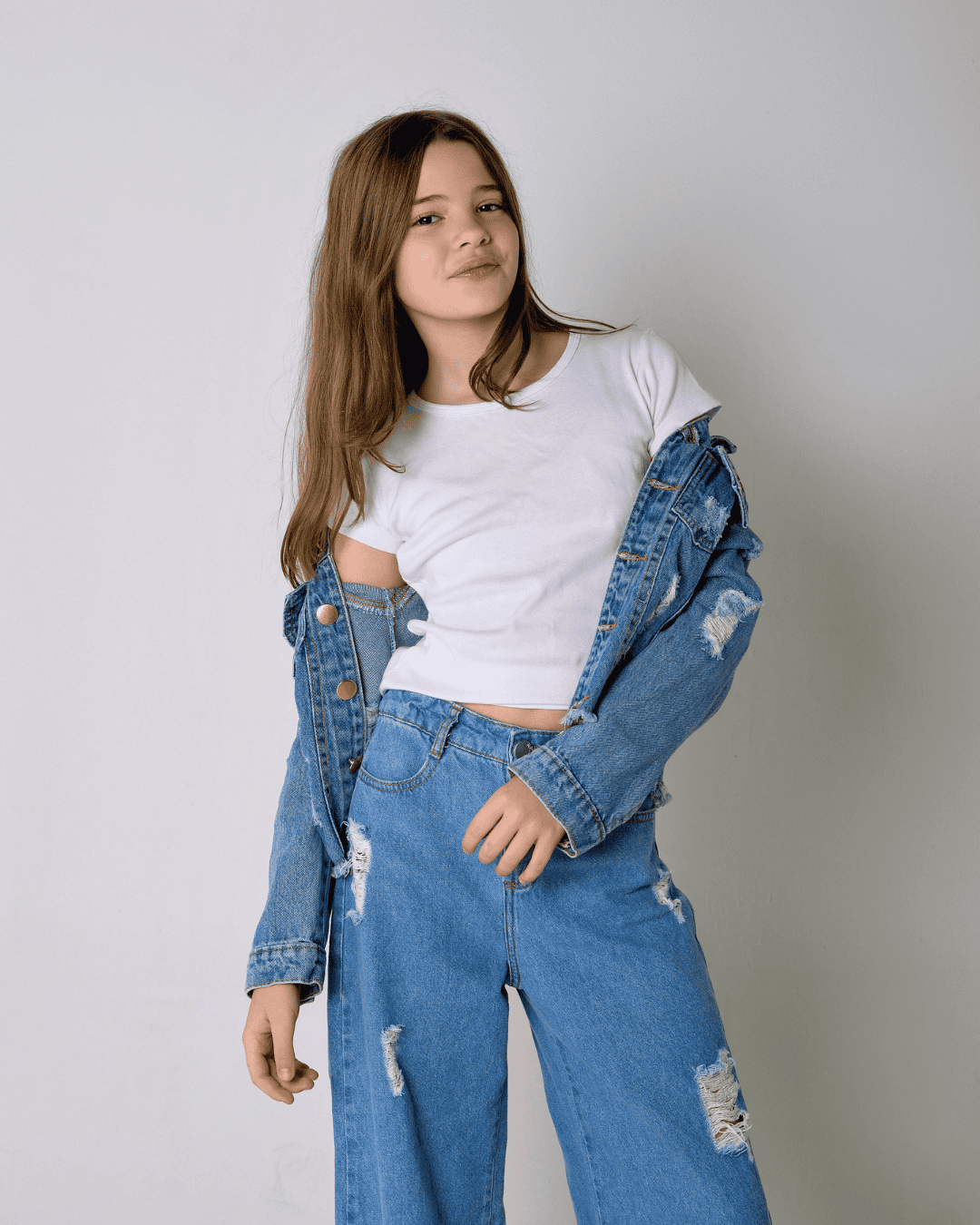
Timeless style is built on simplicity, quality, and fit. People who master these basics create looks that work across seasons and trends. The key to styling that never goes out of fashion lies in choosing classic pieces and wearing them with confidence.
Understanding which items form a solid wardrobe foundation helps avoid wasted time and money on fast trends. Thoughtful selections like well-fitted jeans, neutral colours, and minimalist accessories provide versatility that lasts.
Anyone can develop a personal style rooted in these principles. This approach ensures a polished, effortless appearance no matter the occasion or shifting fashions.
Core Principles of Styling Basics That Stand the Test of Time
A timeless wardrobe focuses on quality pieces that work well together and suit the wearer’s body. Understanding fit, proportions, and essential garments builds a foundation for lasting style that can adapt to changing trends.
Understanding Timeless Style
Timeless style centres on simplicity, function, and subtle elegance rather than fast-changing trends. It favours pieces with clean lines, neutral colours, and classic cuts that remain relevant over the years. For example, garments like a white shirt, a well-tailored blazer, or straight-leg trousers rarely go out of fashion.
This style respects the wearer’s body type, enhancing natural shape without forcing extremes. It avoids overly ornate details and instead opts for minimalism combined with quality materials. Timeless style is also versatile, allowing easy mixing and matching for various occasions.
Investing in Wardrobe Staples
Wardrobe staples form the backbone of a capsule wardrobe, consisting of essential clothing items worn frequently. Items such as a navy blazer, black trousers, a white tee, and a trench coat are investment pieces that provide flexibility and reliability.
Choosing durable fabrics helps these staples maintain their shape and appearance over time. It is better to spend more on garments made to last than to buy cheap, fast-fashion items repeatedly. Proper care and occasional professional tailoring also extend their lifespan significantly.
Importance of Fit and Proportions
Fit and proportions directly affect how classic basics flatter the body. Wearing clothes tailored to the correct size enhances silhouette and comfort, regardless of body type. Even timeless pieces look outdated if they are ill-fitting.
Understanding proportions means balancing the lengths, widths, and shapes of garments to suit height and shape. For example, cropped trousers with a fitted jacket work well for petite frames, while longer coats may flatter taller builds. Proper fit underpins all other aspects of a timeless wardrobe.
Essential Classic Pieces for Every Wardrobe
Certain wardrobe staples provide a foundation for versatile and polished outfits. These garments balance practicality with style and complement a range of looks from casual to formal.
The Classic White Tee
The classic white tee is a fundamental item. It works well tucked into denim, layered under a tailored blazer, or worn with a cashmere sweater for an understated look. The fabric should be high-quality cotton to maintain shape and colour over time.
Fit is crucial. A slightly fitted or relaxed cut, depending on preference, ensures it never looks sloppy. It pairs easily with jeans or chinos and serves as a neutral base for adding accessories like loafers or statement jewellery.
The White Button-Down Shirt
A crisp white button-down shirt elevates almost any outfit. It fits seamlessly under a blazer for the office or can be worn open over a little black dress for casual layering. The fabric should be sturdy cotton or a cotton blend, resisting wrinkles.
Details matter. Collars must stay sharp, and buttons should be secure. Sleeve length can vary, but it should always be tailored to the wearer’s proportions. This shirt transitions from formal to casual with a few adjustments.
Tailored Blazer Essentials
A tailored blazer sharpens almost every ensemble, whether paired with jeans or a skirt. The cut should follow the body’s natural curve without being restrictive. Popular colours include navy, black, and grey for maximum versatility.
Quality materials like wool blends offer durability and maintain structure. Blazers with subtle details such as classic lapels and functioning buttons elevate the look. Wearing a blazer over a white tee or white button-down shirt refines casual and business styles alike.
Versatile Little Black Dress
The little black dress (LBD) is a key piece for evening events and versatile styling. It should have a simple silhouette that flatters various body shapes. Sleeveless, short-sleeve, or long-sleeve options depend on climate and context.
Choose fabric carefully; medium-weight materials hold shape and resist wrinkles. An LBD can be paired with loafers for daywear or heels for formal occasions. The design should avoid excessive decoration to maintain timelessness.
Styling Foundations: Layering, Patterns, and Outerwear
Building a versatile wardrobe starts with understanding how to combine key pieces effectively. Using layers with contrasting textures, selecting durable outerwear, and integrating timeless patterns ensures a look that remains sharp and functional for years.
Mastering the Art of Layering
Layering begins with foundational items like a fitted turtleneck or a classic shirt. These pieces create a smooth base that allows outer layers to stand out without adding bulk. Sheer or lightweight fabrics under heavier garments add dimension without overheating.
Strategic layering involves mixing fabrics such as cotton, wool, and leather. Each layer should serve a purpose—comfort, warmth, or style. For example, a wool jumper over a turtleneck adds insulation while remaining sleek.
The key to successful layering is balance. Avoid too many layers that complicate the silhouette. Colour coordination also enhances the overall look; neutral or muted tones work best as bases for bolder pieces.
Choosing Outerwear That Lasts
Quality outerwear should combine durability with timeless design. Styles like the trench coat, pea coat, and tailored overcoat have remained popular due to their clean lines and adaptability.
Materials such as wool and treated cotton provide practical protection against the elements. Investing in classic outerwear means choosing cuts that flatter multiple body types and fit well over other layers.
Functionality is essential: pockets, weather resistance, and ease of movement matter. A well-chosen outer layer can elevate a simple outfit while serving as a reliable barrier in colder months.
Incorporating Classic Patterns
Classic patterns like stripes, checks, and herringbone add subtle interest without overwhelming an outfit. A striped turtleneck or a houndstooth blazer introduces texture while maintaining sophistication.
Patterns should be used strategically—pair a patterned top with solid-coloured outerwear or vice versa. This prevents clashing and keeps the look cohesive.
Bold patterns can be feature pieces, but balance them with neutral shades to avoid visual clutter. Classic patterns have longevity because they don’t rely on seasonal trends and suit a variety of occasions.
Evolving Fashion: Personal Style and Modern Touches
Incorporating timeless pieces while adapting to new trends helps create a balanced and individual wardrobe. A focused approach to personal style and intentional selection supports long-term satisfaction and practical use of clothing.
Blending Classics with Current Trends
Mixing classic items like a well-fitted trench coat or a crisp white shirt with modern accessories keeps an outfit fresh without losing its foundation. Fashion trends such as statement sneakers or oversized scarves can update a look easily.
This method prevents the wardrobe from becoming outdated while avoiding fast fashion’s short shelf life. It’s useful to refer to a mood board when planning how to combine classics with new elements, ensuring coherence.
For example, pairing tailored trousers with current-season prints delivers a modern appearance anchored by enduring shapes. Accessories in trending colours also provide a quick boost without overwhelming the core outfit.
Developing Your Personal Style
Personal style emerges from understanding what fits, feels comfortable, and reflects individual preferences. It evolves by experimenting with different fabrics, cuts, and colours until a consistent theme develops.
He or she should keep a mood board to visualise inspirations and refine choices over time. This helps differentiate between fleeting trends and pieces that genuinely resonate.
Key to personal style is confidence and authenticity, not simply following fashion trends. When someone wears what suits them best, their style appears natural and purposeful.
Building a Capsule Wardrobe
A capsule wardrobe consists of a curated set of versatile, high-quality pieces that match well together. This approach emphasises function and style with fewer, carefully chosen items.
Typically, a capsule includes:
- Neutral basics (e.g., navy blazer, black trousers)
- Seasonal statement pieces
- Adaptable layering items
By selecting classics and a few trendy touches each season, the wardrobe reduces decision fatigue and waste. It supports personal style with minimal effort and maximum flexibility.