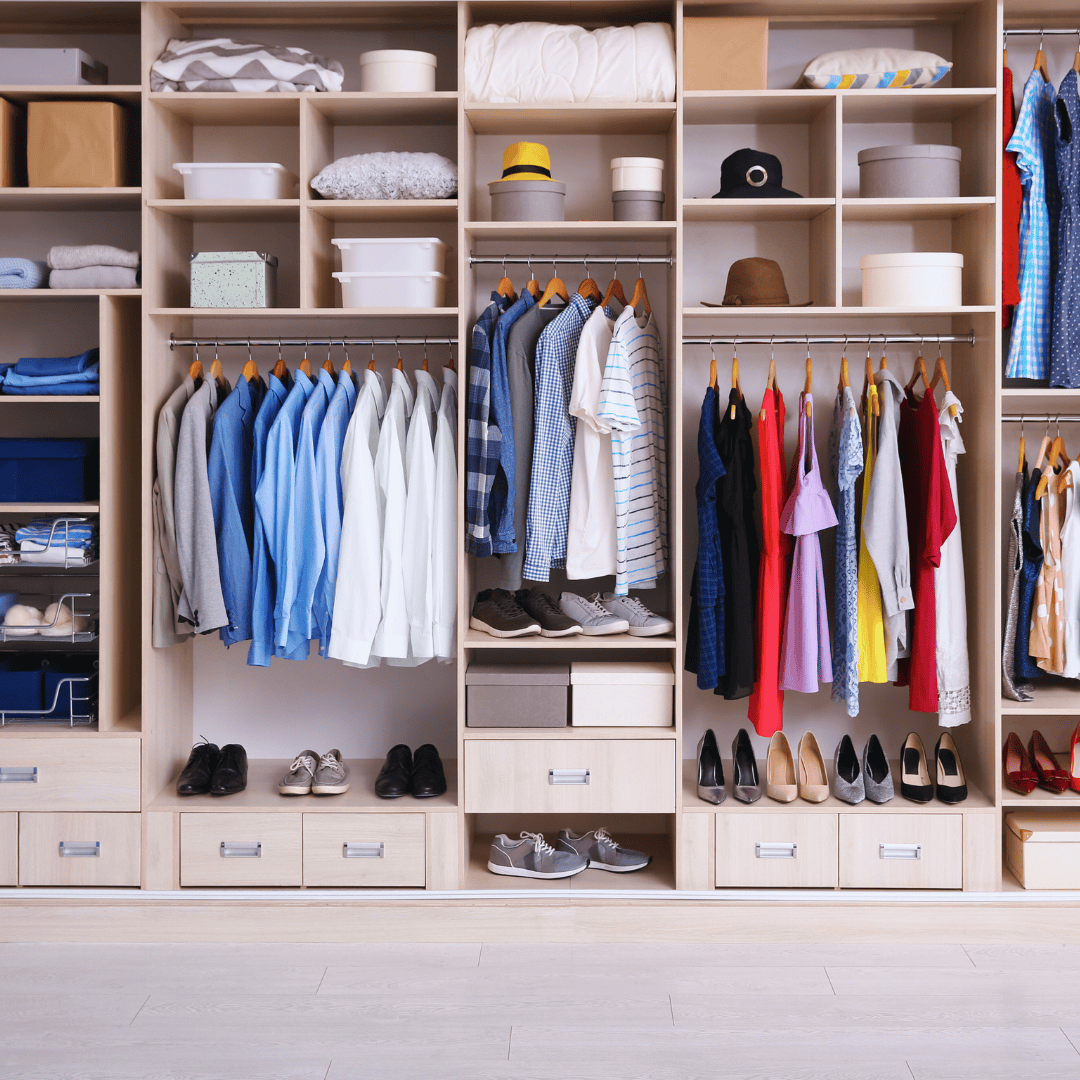
Creating a wardrobe that suits every mood is about building a versatile collection of pieces that can be mixed and matched effortlessly. The key is to focus on timeless basics paired with statement items that reflect different emotions and occasions. This approach ensures that dressing is both practical and expressive.
By carefully selecting colours, textures, and styles, one can adapt their outfit to feel comfortable, confident, or creative. A well-curated wardrobe makes it easy to switch between moods without wasting time or money on clothes that don’t serve different purposes.
Understanding personal style and lifestyle needs is essential to avoid clutter and maintain coherence. A wardrobe like this offers flexibility and allows for quick choices that suit whatever mood the day brings.
Laying the Foundations: Understanding Your Wardrobe and Personal Style
Building a wardrobe that suits every mood starts with a clear knowledge of what is already owned, what style feels natural, and how to keep the wardrobe functional. This foundation supports smart decisions when adding new pieces.
Assessing Your Existing Wardrobe
She begins by examining all current clothing to identify frequently worn items and those left unused. This reveals which pieces fit well, suit their lifestyle, and align with their personal style.
A practical method involves grouping clothes by type—tops, bottoms, outerwear—and noting wear frequency. This quick audit highlights wardrobe essentials and gaps.
Photos or a written list of standout items help visualise patterns and preferences. He can then decide if some clothes should be repaired, donated, or replaced.
Identifying Your Personal Style Preferences
Understanding personal style means recognising colours, shapes, and fabrics that feel most comfortable and confident. This includes preferred cuts and how formal or casual outfits usually are.
Lifestyle factors such as work environment, hobbies, and social activities influence these choices, so they must be taken into account.
Creating a small mood board with images from magazines or online sources supports clarity on aesthetic goals. She focuses on styles that reflect her personality while offering versatility.
Decluttering and Organising for a Fresh Start
Effective decluttering removes unnecessary items, freeing space to see the wardrobe clearly and identify what to keep.
Using methods like the “four-box approach”—keep, donate, repair, recycle—ensures better decision-making.
An organised wardrobe, with clothes categorised by type and season, allows for quicker outfit choices. Simple storage solutions like labelled boxes and uniform hangers enhance accessibility and neatness.
This fresh start aids in building a versatile and functional wardrobe that supports all moods.
Choosing Versatile Staples and Building Blocks for Every Mood
A functional wardrobe depends on selecting pieces that easily transition between moods and occasions. Prioritising quality fabrics, classic shapes, and a coherent colour palette ensures adaptability and longevity.
Selecting Essential Wardrobe Staples
Key staples form the foundation of a versatile wardrobe. Items such as a little black dress, a well-fitting white shirt, and a denim jacket allow for quick outfit changes across various moods and settings. Tailored trousers offer sophistication while cardigans provide comfort and layering options.
Fabrics like wool and cotton enhance durability and comfort. Staples should be easy to dress up or down. For example, pairing a denim jacket with tailored trousers creates a balanced look suitable for casual or semi-formal occasions.
Investing in Quality Over Quantity
Choosing fewer, better-quality pieces reduces the need for constant replacement. Quality fabrics like wool, cotton, and heavy cotton denim retain shape and feel better over time. This approach lowers overall costs and supports a more consistent personal style.
Well-constructed items resist wear from frequent use. Investing in garments with solid stitching and good fabric weight pays off. The focus should be on versatility and durability rather than chasing trends or volume.
Embracing Classic Cuts and Timeless Pieces
Classic cuts avoid dating quickly, allowing clothes to remain relevant through changing fashion trends. Pieces like straight-leg trousers, simple blouses, and A-line coats work with diverse body shapes and styles.
Timeless pieces align with a neutral colour palette, encouraging mix-and-match ease. A little black dress exemplifies this, functioning across moods by altering accessories or footwear. This stability brings confidence in dressing.
Curating a Functional Colour Palette
A well-chosen colour palette supports outfit cohesion. Prioritising neutral tones like black, navy, beige, and white builds a base that suits multiple moods and occasions. Neutral shades blend easily with more vibrant accent colours.
Adding a few accent colours, such as deep green or burnt orange, can refresh combinations without overwhelming the wardrobe. This balance avoids excessive clutter and simplifies daily outfit choices by maintaining visual harmony.
Mastering Flexibility: Layering, Outerwear, and Seasonal Adaptation
Creating a wardrobe that adjusts easily to mood and weather depends on strategic layering, choosing adaptable outerwear, and seamlessly transitioning between seasons. Attention to essentials like blazers, trench coats, and ankle boots ensures each outfit can shift in style or comfort.
Layering Techniques for Diverse Moods
Layering is key to versatility, allowing outfits to change based on mood or occasion. Start with lightweight, neutral layering pieces such as cotton or silk tops. Adding a blazer can create a polished, professional look.
For casual or relaxed moods, a simple denim jacket over a T-shirt works well. Strategic layering also means mixing textures, like pairing a soft knit vest over a crisp shirt for a more tactile, interesting outfit. Layering should be functional but also serve as a way to communicate style shifts throughout the day.
Selecting Versatile Outerwear and Jackets
Outerwear is the anchor of a flexible wardrobe. A trench coat is a staple, offering weather protection and a classic silhouette that suits formal and casual wear. It pairs well with almost anything, from dresses to jeans.
Including a denim jacket provides a less formal option that works year-round. A good wardrobe will feature jackets in neutral colours like beige, black, and navy to maximise mixability. Ankle boots complement these outerwear choices by adding a sturdy, stylish foundation suited for many occasions.
Another excellent option for transitional weather is a lightweight overshirt. These garments work well because they combine the structure of a collar with the comfort of a light jacket. You can wear them open over a plain t-shirt or buttoned up for a smarter look. Many men choose Marshall Artist overshirts because they have clean lines and modern designs. This type of clothing is easy to layer under a heavier coat when the temperature drops.
Mixing and Matching Through the Seasons
Seasonal adaptation involves selecting versatile items that layer well and withstand temperature changes. For colder months, layering a turtleneck under a sweater and topping with a blazer or trench coat offers warmth without bulk.
In spring and autumn, lightweight jackets like a denim jacket or a thin trench are ideal. The trick lies in pairing these with seasonal colours and fabrics, such as lighter linens in warmer months and heavier wools in cooler ones. Shoes like ankle boots transition well between seasons due to their balance of coverage and style.
Elevating Every Look: Accessorising with Intention
Accessories serve as pivotal tools to shift the tone of an outfit. Selecting items with both function and style in mind can make a wardrobe adaptable for any mood. Thoughtful choices in scarves, belts, hats, handbags, and jewellery are essential to achieving a deliberate and polished appearance.
Choosing Accessories for Versatility
Versatile accessories are those that complement multiple styles, colours, and occasions. Neutral-toned belts in leather or fabric work well across casual and formal outfits. Similarly, classic gold or silver jewellery can enhance both daywear and evening looks without overpowering.
Choosing adjustable scarves in light fabrics allows layering through seasons and adds texture without clashing. Hats with simple silhouettes, such as fedoras or beanies, blend easily with varied clothing styles. Versatility ensures each accessory can be mixed and matched to maximise wardrobe options.
How to Use Scarves, Belts, and Hats
Scarves can be worn in several ways: around the neck, as a headband, or tied to a handbag. Each method alters the style, from sleek and professional to casual and relaxed. Lightweight scarves with simple patterns avoid visual overload, making them ideal for everyday wear.
Belts define the waist and add structure. A thin belt over a dress creates a feminine shape, while a wide belt can boost a minimalist outfit’s impact. Dark-coloured belts offer sophistication, while brighter ones can introduce personality.
Hats provide both function and fashion. Structured hats like trilbies offer a smart, formal edge. Soft hats such as beanies provide a cosy, laid-back vibe. Selecting hats that suit the face shape and outfit style is key to maintaining balance.
Handbags and Jewellery to Transform Outfits
Handbags are essential for combining practicality with style. A neutral-coloured tote bag works well for daily activities, while a sleek clutch elevates evening wear instantly. Crossbody bags offer hands-free convenience and add casual flair to an outfit.
Jewellery can dramatically transform an outfit’s mood. Statement earrings inject energy, whereas delicate chains provide subtle elegance. Mixing metals or layering bracelets adds dimension without clutter. Prioritising jewellery that complements but does not compete with clothing textures and colours creates a cohesive look.
Using these accessory strategies, one can shift effortlessly between moods, creating a wardrobe that is both flexible and refined.