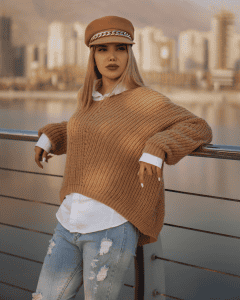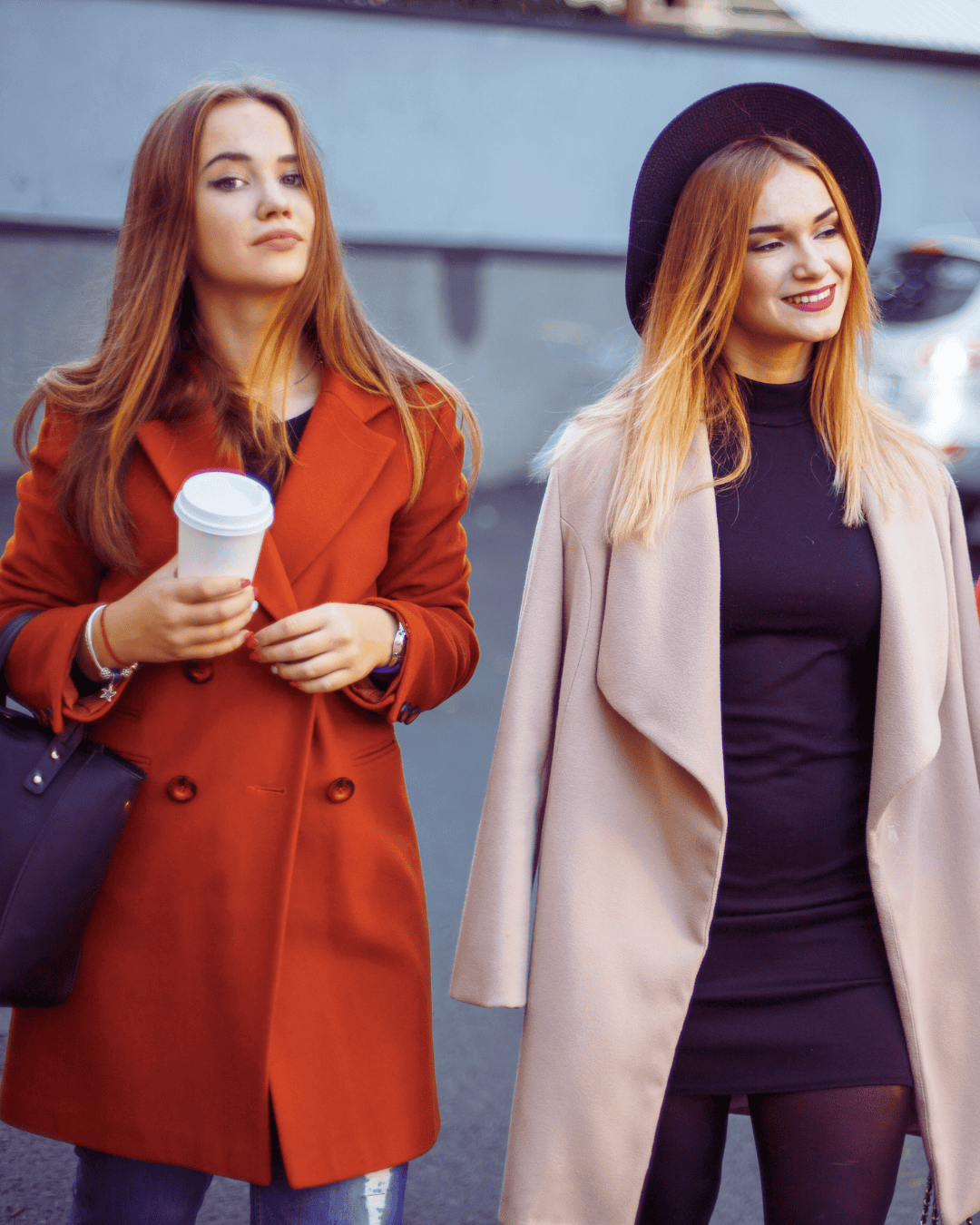
Mixing high street with high fashion creates a versatile wardrobe that balances style and affordability. It allows individuals to elevate everyday looks with luxury pieces without overspending. This combination offers the best of both worlds: accessible staples complemented by standout designer items.
By blending affordable basics with high-end accessories or statement pieces, people can experiment with trends without a heavy financial commitment. This approach encourages creativity and personal expression through fashion.
Understanding how to mix these elements effectively is key to achieving a polished and modern appearance. It’s about making thoughtful choices that reflect both budget and style preferences.
Key Principles of Mixing High Street with High Fashion
Successful integration of high street and high fashion relies on clear contrasts, thoughtful pairing, and maintaining a coherent style. It involves combining accessible pieces with investment garments while respecting balance, comfort, and personal identity.
Understanding the Blend of Luxury and Streetwear
Mixing high street and high fashion means pairing everyday items with luxury pieces to create a unique outfit. The key is recognising the strengths of both: high fashion offers craftsmanship and statement quality, while high street provides affordability and trend responsiveness.
A practical approach includes matching a designer blazer with a basic tee or combining luxury accessories with casual wear. This blend allows for experimentation without overextending budgets. It also encourages creativity by letting individuals mix textures and styles that might traditionally seem incompatible but work well with intent.
Balancing Comfort with Sophistication
Balancing comfort and sophistication is crucial when combining streetwear with high fashion. Streetwear elements often prioritise ease—think relaxed fits, soft fabrics, and practical footwear—while high fashion emphasises structure, detail, and polish.
To maintain this balance, one could opt for tailored trousers paired with branded trainers or a luxe knit worn with joggers. It’s about selecting pieces that ensure comfort but elevate the overall look. This careful selection prevents either style from overwhelming the other, creating harmony in the outfit.
Defining Your Personal Style
Personal style guides the successful mixture of high street and high fashion. Individuals need to identify their preferences in colour, silhouette, and patterns to build outfits that feel authentic.
This process involves assessing which combinations reflect one’s identity while experimenting within a comfort zone. A clear personal style helps avoid random or mismatched looks and creates a signature blend that reflects both affordability and exclusivity. Consistency in personal style builds confidence and coherence across varied ensembles.
Essential Styling Strategies
Mixing high street with high fashion requires deliberate choices that balance standout elements with cohesive details. Attention to structure, layering, and colour coordination helps in crafting outfits that feel polished yet approachable.
Building a Stylish Outfit with Statement Pieces
A structured blazer offers a refined base for elevating casual items like graphic tees. The contrast between formal tailoring and bold, playful prints creates visual interest without overwhelming the look.
Incorporating one statement piece per outfit is key. For example, a remix tailoring jacket paired with simple jeans and sleek trainers draws focus to the blazer while maintaining wearable balance. Accessories should remain minimal to avoid competing for attention.
Statement shoes or bags can also anchor the ensemble. By selecting one high-fashion item and pairing it with familiar high street pieces, the outfit remains stylish and accessible.
Play with Proportions and Layering
Playing with proportions gives dimension and modernity to mixed looks. Pairing oversized graphic tees with slim tailored trousers, or a cropped blazer over a longer top, creates intentional contrast.
Layering adds depth, but must be balanced. For example, wearing a fitted structured blazer over a loose tee breaks up lines and adds interest. Lightweight layers allow for versatility across settings and seasons.
Length, fit, and fabric weight all influence style coherence. Keep bulk to a minimum when combining tailored items with heavy casual pieces to avoid a cluttered silhouette.
Choosing a Cohesive Colour Palette
Maintaining a cohesive colour palette ensures pieces from different fashion levels blend well. Neutral shades like black, white, beige, and grey create a versatile foundation for adding pops of colour.
Using one or two accent colours across items, such as in a graphic tee and matching blazer detail, ties the outfit together. Avoid mixing too many bold colours, which can look disjointed.
Textural contrasts also work with a simple palette—matching a wool blazer with a cotton tee emphasises differences without colour overload. Planning colour in advance supports clean, intentional styling.
Hero Pieces and Iconic Combinations
Mixing high street with high fashion often involves selecting standout items that elevate an outfit while pairing them with accessible pieces for balance. Combining textures, colours, and styles creates distinctive looks that feel curated yet effortless.
Head-to-Toe Grey for Effortless Elegance
Wearing head-to-toe grey is a minimalist strategy that conveys sophistication without appearing overdressed. Luxury items like a tailored grey coat or cashmere jumper can be paired with high-street staples such as grey Zara trousers or knitwear.
This monochrome palette works well with varying materials—soft wool, crisp cotton, and structured suiting—to add depth. Accessories like leather croissant bags or silver jewellery complement the look, avoiding colour clashes. It’s a versatile, neutral-focused approach that suits both work and casual settings.
Blending Sneakers and Joggers with Tailored Items
Incorporating sneakers and joggers into tailored outfits merges comfort with polish. High-end sneakers provide quality finishes, but affordable brands can offer a similar style at a lower cost for daily wear.
Joggers in muted tones, when combined with structured blazers or crisp shirts, create a smart-casual hybrid. This combo suits street-style enthusiasts seeking to balance leisurewear with a more refined appearance. Mixing these elements enhances movement and practicality without losing sharpness.
Everyday Luxury with Slip Dresses and Signature Accessories
Slip dresses, traditionally considered eveningwear, have become a key piece for everyday luxury when styled correctly. Layering these with oversized coats or chunky cardigans introduces casual contrast.
Signature accessories—like a designer croissant bag or bold jewellery—raise the outfit’s profile. Footwear can range from sleek boots to high-end sneakers, blending comfort and chic seamlessly. This approach turns a simple dress into a statement that works from day to night.
Integrating High-Street Favourites like Zara
Zara remains a pivotal brand for integrating current trends into luxury wardrobes. Its wide selection of tailored basics and seasonal pieces makes it easy to complement investment items without compromising style.
Key Zara pieces, such as well-cut blazers or versatile knitwear, often mirror the silhouettes found in high fashion, allowing effortless mixing. Using Zara as a foundation enables flexible layering, whether pairing with designer outerwear or premium footwear. It’s a practical route to maintaining a balanced wardrobe.
Avoiding Mistakes and Refining Your Look
Balancing high street with high fashion requires careful attention to detail, from accessories to garment quality. Focusing on fit and authenticity ensures the combined styles complement rather than clash.
Avoiding Over-Accessorising and Logo Overload
Too many accessories can distract from the outfit’s core pieces. It is best to choose one or two statement items rather than multiple competing elements.
When mixing designer pieces with street style, logos should be subtle. Excessive branding can look cluttered and reduce the sophistication of high-fashion elements.
Practical advice includes wearing a signature watch or minimal jewellery, avoiding large bag logos, and keeping colour schemes consistent to maintain visual harmony.
Prioritising Quality and Fit
Fit is the foundation of any polished look. Even the most expensive pieces will appear sloppy if they aren’t tailored well.
High street items often vary in quality. Pairing them with well-maintained, high-quality garments balances affordability with a refined appearance.
Key areas to check include shoulder alignment, sleeve and trouser length, and waist fit. Alterations can elevate streetwear to reflect the precision found in luxury fashion.
Staying Authentic to Your Own Aesthetic
Successful style is rooted in personal coherence. Integrating high fashion and street style without losing individual identity prevents the look from seeming forced.
He or she should select pieces that resonate personally, not just those that are trendy or high-end. This might mean favouring certain colours, cuts, or themes that feel natural.
Street style often emphasises self-expression; adding high fashion should enhance, not overwrite, this core. Confidence in choices ultimately makes the outfit convincing and unique.