
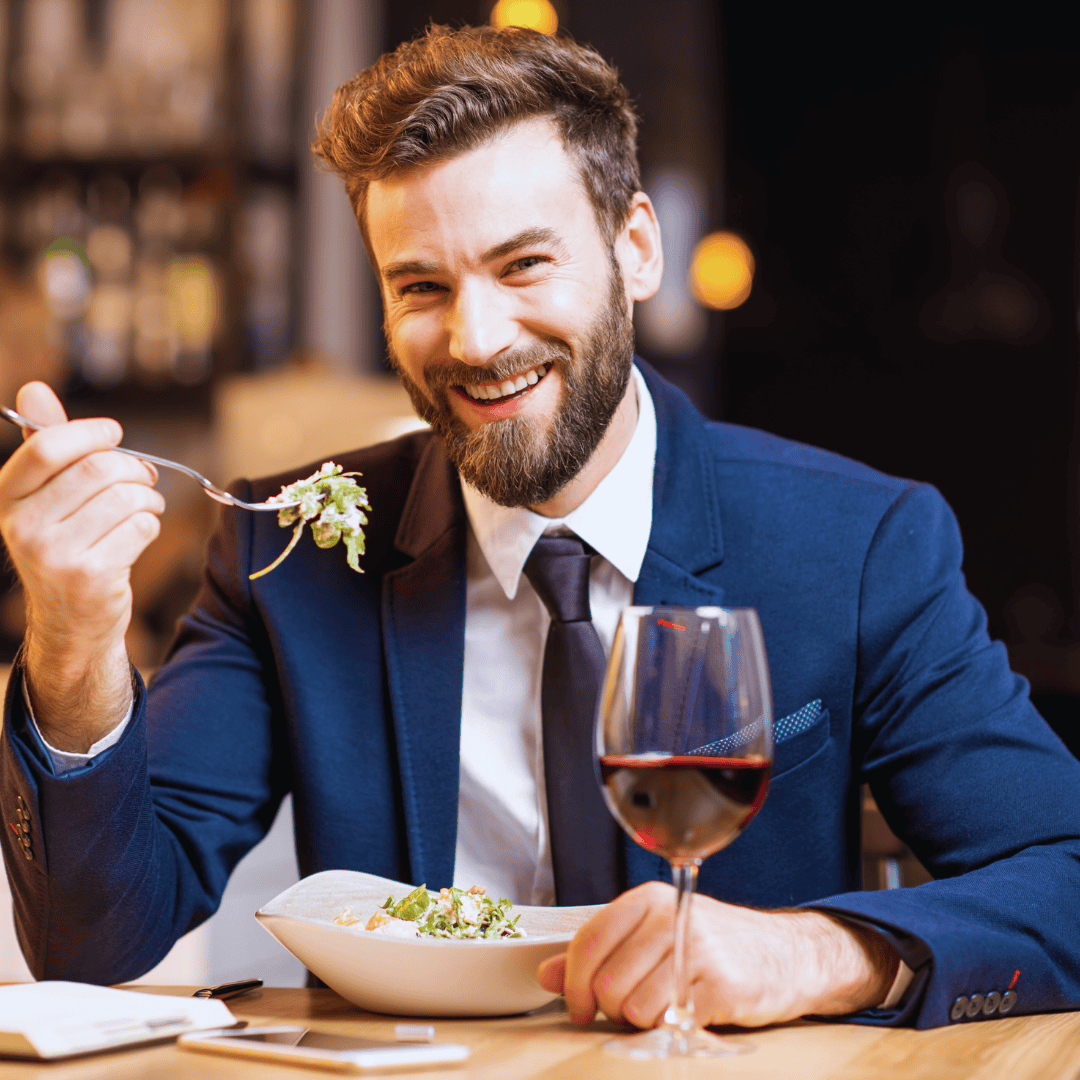
Fashion and food are more than just everyday choices; they are expressions of personal identity and lifestyle. Understanding how to combine these elements allows individuals to live well on their own terms, embracing authenticity and comfort without compromise. Living well means selecting fashion and food that reflect personal values and preferences, creating a balanced and fulfilling life.
This guide explores practical ways to align wardrobe and diet with one’s goals, priorities, and tastes. From mindful shopping to intentional eating, the focus is on making purposeful decisions rather than following fleeting trends.
By approaching fashion and food thoughtfully, people can cultivate a lifestyle that supports wellbeing and self-expression simultaneously. This balanced approach enhances confidence and satisfaction in daily living.
The Symbiosis of Fashion and Food
Fashion and food share more than aesthetic appeal; they intersect in culture, lifestyle, and industry influence. Their relationship shapes trends, reflects societal values, and drives creative expression across both fields.
Defining the Fashion and Food Connection
Fashion and food are both sensory experiences that reflect identity and lifestyle choices. They communicate social status, cultural heritage, and personal values through visual style and taste preferences.
The connection is evident in how dining environments and clothing styles often complement each other to create a unified experience. For example, a minimalist outfit might pair with a clean, modern plate presentation, reinforcing a coherent image.
Both sectors influence consumer behaviour, where fashion marketing strategies sometimes borrow from culinary presentation techniques such as colour coordination and texture contrast to enhance appeal.
Cultural Intersections in Food and Fashion
Culture plays a crucial role in shaping trends in both fashion and food. Traditional fabrics and dishes often share origins, telling stories aligned with community identity.
Festivals and rituals highlight this intersection, where traditional attire meets customary foods, reinforcing cultural pride and continuity. Culinary patterns often inspire fabric prints and patterns that designers incorporate into collections.
Globalisation has led to fusions, blending motifs and flavours that cross geographic boundaries. This mix introduces new hybrids in food preparation and fashion design, appealing to diverse consumer bases while acknowledging heritage.
The Influence of the Fashion Industry on Culinary Trends
The fashion industry’s rapid pace and emphasis on innovation influence culinary trends noticeably. Seasonal colour palettes in fashion often translate into food presentation and ingredient choices in haute cuisine and casual dining alike.
Fashion events, such as runway shows, have added pop-up restaurants or designer collaborations with food brands to expand their sensory impact. This crossover stimulates new dining experiences tailored to the style-conscious consumer.
Sustainability, a growing priority in fashion, has pushed the culinary world to focus more on ethical sourcing and plant-based menus. These shared values highlight how fashion’s paradigm shifts can prompt changes in food industry practices.
Crafting Your Personal Style and Plate
Creating a personal style and diet involves careful choices that reflect individuality and promote well-being. It requires balancing quality with preference, establishing habits that support health, and knowing when to enjoy treats without guilt.
Mindful Selection: Ingredients and Fabrics
Choosing ingredients and fabrics thoughtfully means prioritising quality, sustainability, and comfort. For food, this includes selecting fresh, seasonal produce and minimally processed items that nourish the body. People who focus on whole foods often notice better energy and digestion.
In fashion, natural fibres like cotton, linen, and wool offer breathability and durability. They also tend to be more sustainable than synthetic alternatives. Paying attention to texture and fit supports comfort and confidence.
Creativity plays a role here by encouraging individuals to mix and match ingredients or garments to express personality. This approach helps avoid routine and opens opportunities for innovation in both diet and wardrobe.
Consistency and Routine for Holistic Living
Consistency in daily habits around eating and dressing anchors wellness. Establishing simple routines, such as meal prepping or planning outfits ahead, reduces decision fatigue and promotes discipline.
A regular eating schedule supports metabolism and mood, while choosing clothes that suit daily activities enhances productivity. The routines should be adaptable, reflecting changing seasons or lifestyle demands.
Incorporating preparation and reflection into the routine helps maintain balance. Regularly assessing how choices affect well-being allows fine-tuning for long-term success.
Balancing Indulgence and Wellness
Balancing indulgence with wellness means allowing occasional treats while maintaining overall nutrition. This prevents feelings of deprivation and supports sustainable eating habits.
Similarly, in fashion, investing in statement pieces or accessories can add enjoyment without compromising the core wardrobe’s practicality. Both food and clothing choices should reflect personal satisfaction alongside health.
The key is moderation and awareness—knowing when to indulge and when to prioritise nourishment or comfort. This balance fosters a positive relationship with both body and style.
Seasonality and Creativity: Living Well Through Change
Seasonal changes influence both fashion design and culinary practices, shaping creative approaches in everyday living. Embracing this rhythm allows individuals to align with natural cycles, fostering innovation and adaptability. The interaction between seasonal collections and personal style or meals provides practical and aesthetic benefits.
Seasonal Collections in Fashion and Cuisine
Fashion designers release seasonal collections that reflect weather changes and cultural moments. These collections focus on materials, colours, and styles suited to the time of year, such as lighter fabrics in summer or layered looks in winter. This planning keeps wardrobes relevant and functional.
Similarly, cuisine follows seasonal availability. Menus highlight fresh, local produce at its peak flavour and nutrition. Markets often adapt offerings, encouraging a diet rich in variety and sustainability.
Using seasonal collections in both fields reduces waste and supports local industries. It encourages consumers to be intentional about their choices, considering quality over quantity.
Creating with Seasonal Inspiration
Creativity thrives when designers and chefs draw from the seasons. Fashion designers experiment with textures or prints inspired by nature’s changes, while chefs develop dishes using in-season ingredients and traditional methods.
This approach enhances the uniqueness of each creation. In fashion, it results in limited-edition pieces that resonate with current trends and environments. In cooking, it leads to meals that celebrate natural taste and freshness.
Both disciplines benefit from this cyclical inspiration. It challenges creators to innovate within constraints and maintain relevance throughout the year.
Adapting Your Lifestyle Year-Round
Living well through change requires adapting personal routines to seasonal shifts. Wardrobes should rotate to include pieces from seasonal collections, ensuring comfort and style. Likewise, meal planning should reflect the availability of seasonal ingredients to optimise health and flavour.
Creating a lifestyle that honours seasonality helps manage resources efficiently. It encourages a conscious approach to consumption, reducing impulsive purchases and food waste.
This adaptability supports long-term well-being. It fosters a connection with the environment and a more mindful way of living.
Modern Expressions: Experiences, Community, and Collaboration
Living well today involves blending personal style with shared moments and creative partnerships. Experiences that combine food and fashion foster community and open avenues for innovation.
Supper Clubs and Shared Experiences
Supper clubs have resurged as intimate gatherings where food becomes a social experience. They invite guests to connect over carefully crafted meals, often with a thematic approach linking cuisine and style.
Anton Gottlob, a noted figure in this space, designs supper clubs that blend culinary artistry with fashion aesthetics. These events emphasise quality and culture, drawing attendees who appreciate the synergy between what they eat and how they present themselves.
Participants value the sense of community supper clubs create, making them more than dinners but cultural exchanges. The personal nature of these events offers a distinct way to explore trends in food and fashion simultaneously.
Collaborations Across Food and Style
Cross-industry collaborations are shaping new cultural products that resonate with diverse audiences. Food and fashion brands increasingly partner to launch limited-edition items, pop-up events, and multimedia campaigns.
Such collaborations leverage each sector’s creativity: chefs inspire textile designs while designers influence plating or branding. These partnerships highlight lifestyle as a holistic concept rather than separate interests.
Brands focus on authenticity and storytelling, showcasing their culture and values through joint projects. This approach appeals to consumers who prioritise meaningful experiences alongside their purchases.
Artistry and Influencers in Food and Fashion
Influencers play a pivotal role in merging food and fashion by curating content that blends both worlds. Their platforms showcase how style complements culinary choices and vice versa.
Artistry manifests in visual presentation, from food styling to fashion photography, reflecting cultural trends and personal identity. Influencers often collaborate with creators like Anton Gottlob to highlight craftsmanship in both disciplines.
The convergence of these art forms encourages followers to reinterpret how they dress and dine. This fusion nurtures a lifestyle that aligns with individual preferences and evolving cultural dialogues.


