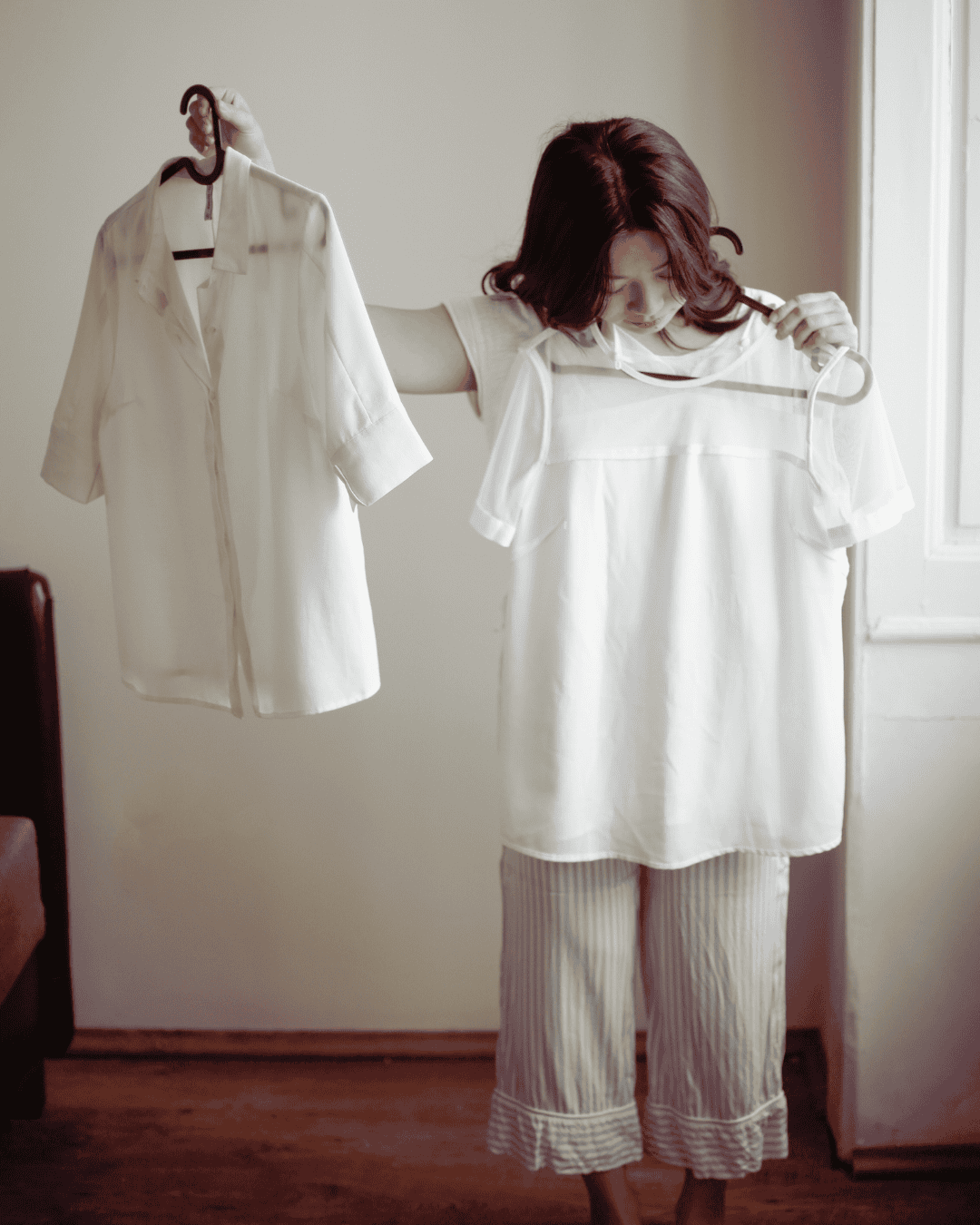
Self-care often brings to mind relaxation or wellness routines, but everyday styling plays a significant role in how people feel about themselves. Choosing clothes that fit well, suit personal style, and make one feel confident can enhance mood and boost self-esteem. Self-care through everyday styling means intentionally selecting outfits that support mental and emotional well-being.
This approach transforms dressing from a mundane task into a daily act of care. It encourages individuals to view clothes as tools for expressing identity and maintaining comfort, rather than merely fulfilling a functional need.
By embracing styling as part of self-care, people nurture a positive relationship with their appearance and self-image. This simple shift can create a more mindful, empowering routine.
The Link Between Self-Care and Everyday Styling
Everyday styling plays a practical role in reinforcing self-care routines by affecting mood, perception, and behaviour. The way someone dresses can shape their self-worth, bolster confidence, and influence mental well-being on a daily basis.
The Psychological Impact of What You Wear
Clothing affects mental health by influencing how people feel about themselves. Wearing clean, comfortable, and well-fitted clothes can reduce stress and increase a sense of control. Conversely, uncomfortable or ill-fitting garments may contribute to irritability or low self-esteem.
The colours and styles chosen also impact mood. For instance, vibrant tones can uplift spirits, while neutral or subdued colours may help with calmness. The condition and appropriateness of clothing for an occasion further affect psychological comfort and promote a positive self-image.
Styling Choices for Improved Mental Well-Being
Intentional styling can serve as an act of self-care directly linked to mental well-being. Selecting outfits aligned with personal taste and body shape supports a better self-understanding and acceptance. People who dress for themselves, rather than to meet external expectations, often experience increased satisfaction.
Incorporating functional yet stylish elements, like layering or accessories, enhances adaptability and creative expression. This process encourages mindfulness and focus on the present, which are proven factors in supporting mental health.
The Role of Confidence in Daily Outfits
Confidence derives substantially from how someone perceives their outfit and its fit to their identity. Well-chosen clothes communicate self-respect and readiness, which can improve interactions and productivity throughout the day.
Outfits that highlight one’s strengths or preferred features can elevate self-worth and encourage positive behaviour. Developing a reliable style routine creates consistency, which fortifies confidence and supports overall well-being.
Styling works with the features a person already has, but for some, a long-standing concern about a particular feature, such as the shape of their nose, affects confidence in a way clothing can’t address. Those who decide to explore an option like rhinoplasty Beverly Hills services should make the choice for themselves rather than to meet outside expectations, and should go into a consultation with clear, realistic goals.
For many people, addressing these concerns is a personal journey toward feeling more comfortable in their own skin. Seeking professional advice from a qualified surgeon helps clarify what options are available. If you are looking into cosmetic procedures, finding a reputable clinic is an important step. Those interested in these options can consult with experts in Plastic Surgery Atlanta GA to discuss their goals. A personal consultation helps patients understand the process and make informed decisions about their care.
Building a Personal Style for Self-Expression and Self-Respect
Developing a personal style involves recognising individual tastes, values, and the way one wishes to be perceived. It bridges appearance with inner self-worth, using fashion as a tool for clear communication and respect.
Understanding Your Personal Style
Personal style is more than following trends; it reflects unique preferences shaped by experiences, lifestyle, and personality. Identifying favourite colours, fabrics, and cuts helps build a wardrobe that feels comfortable and authentic.
People often start by assessing current clothing choices to find recurring themes. Creating mood boards or lists of admired styles can clarify what truly resonates. This process supports consistent outfit choices that contribute to a cohesive, confident appearance.
A well-defined personal style lessens daily decision fatigue and increases satisfaction with outfits. It honours the wearer’s needs, including practical factors like work environment and social occasions, making dressing purposeful rather than random.
Fashion as Self-Expression
Clothing serves as a non-verbal language, communicating mood, values, and attitudes beforehand. Selecting outfits thoughtfully expresses individuality without speaking, giving control over first impressions.
Different fabrics, patterns, and silhouettes send varied signals. For instance, structured clothing may convey professionalism and strength, while flowing, vibrant pieces communicate creativity or openness. Understanding these nuances allows effective self-expression.
Fashion offers a way to navigate social contexts strategically, adapting style elements to suit various environments while maintaining core identity. It empowers wearers to project confidence and authenticity simultaneously.
Authenticity and Self-Respect Through Clothing
Authenticity in styling means choosing garments aligned with true preferences, not just social expectations or trends. This alignment fosters a sense of self-respect as individuals honour their identity rather than conform.
Wearing outfits that feel genuine can enhance self-worth by reinforcing personal boundaries and values visibly. Clothing then becomes a reflection of internal respect, encouraging others to respond similarly.
Maintaining authenticity also involves rejecting pressure that undermines comfort or self-image. Consistent self-expression through fashion upholds dignity and supports mental well-being by validating the wearer’s choice and presence.
Styling Habits and Practical Self-Care Routines
Daily styling choices can significantly influence a person’s mood and confidence. Small, consistent habits in grooming, wardrobe selection, outfit planning, and accessorising help embed self-care into everyday life.
Grooming and Personal Care Rituals
Consistent grooming is foundational to self-care. Regular hair washing, skin cleansing, and maintaining neat nails establish a routine that signals respect for oneself. Using gentle products suited to skin and hair type can improve comfort and appearance without irritation.
Incorporating simple personal care rituals, like moisturising after showering or applying lip balm, adds moments of mindfulness. These habits contribute to a polished appearance that boosts confidence for the day.
She or he might opt for minimal, clean styles such as a white t-shirt or cardigan, paired with natural grooming to maintain a fresh, approachable look.
Curating an Empowering Wardrobe
An empowering wardrobe centres on garments that fit well, align with personal style, and feel comfortable. Staples like a well-fitting white t-shirt and versatile cardigans create a reliable foundation for many outfits.
Choosing quality over quantity reduces decision fatigue and increases the likelihood of wearing clothes that support one’s self-esteem. Clothing that makes the wearer feel competent and authentic promotes positive self-perception.
Clothes that balance comfort and style often translate to better posture and movement, subtly enhancing confidence throughout daily activities.
Intentional Outfit Planning for Daily Confidence
Planning outfits in advance reduces stress and creates control over one’s visual presentation. Establishing themes or capsule wardrobes can simplify choices while maintaining variety.
He or she can consider upcoming activities and weather to select garments that serve both function and mood. For example, pairing a white t-shirt with a cardigan offers warmth and adaptability, creating a composed silhouette.
Intentional planning also helps align outer appearance with inner goals, encouraging a mindset ready for productivity and social interaction.
Leveraging Accessories for Mood and Identity
Accessories serve as powerful tools to express identity and influence mood. Simple additions like a watch, scarf, or subtle jewellery can personalise a look and boost self-assurance.
They provide flexibility to update minimalist outfits, such as a plain white t-shirt and cardigan, without added clothing items. This approach supports sustainable style choices while enhancing emotional well-being.
By selecting accessories that resonate personally, individuals reinforce their unique sense of self, reinforcing confidence and presence in everyday settings.
Comfort and Well-Being: Choosing Styles That Support You
Selecting clothing that prioritises comfort can directly impact a person’s well-being and confidence. Thoughtful styling improves daily ease and positively affects how individuals engage in social situations.
The Importance of Comfortable Clothing
Comfortable clothing reduces physical stress and promotes a relaxed state. Fabrics like cotton, bamboo, and modal offer breathability and softness, which help regulate body temperature and prevent irritation.
Fit matters as much as fabric. Clothes that allow natural movement without tightness support better posture and reduce discomfort during long wear. Avoiding restrictive garments encourages a feeling of ease and can enhance focus throughout the day.
Incorporating Loungewear for Everyday Ease
Loungewear has evolved beyond the home and into casual public settings. Soft joggers, oversized knitwear, and stretch tops combine comfort with style, making them versatile choices for various occasions.
Choosing loungewear with practical features such as pockets and adjustable waistbands increases functionality. This type of clothing supports well-being by offering comfort without sacrificing a polished and confident appearance.
Enhancing Social Interactions Through Style
Clothing influences social interactions by affecting self-confidence. When individuals feel comfortable in what they wear, they appear more approachable and at ease.
Styles that balance comfort and neatness create a positive impression. For example, pairing relaxed-fit trousers with a tailored shirt can enhance both comfort and social presence, facilitating better communication and connection.