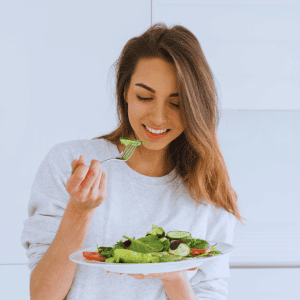
Meal prepping for an entire week can transform a busy lifestyle into a more manageable routine. By dedicating just a few hours each week, individuals can create nutritious meals that save time and reduce stress during busy days. This approach not only enhances healthy eating habits but also helps in budgeting for groceries.
When planning meals, it is essential to choose versatile ingredients that can be used across different recipes. This not only maximises flavour but also minimises food waste. With effective strategies, anyone can streamline the cooking process and make mealtimes simpler.
Incorporating a variety of proteins, vegetables, and grains ensures a balanced diet throughout the week. Simple storage solutions and proper meal organisation further enhance the efficiency of meal prepping efforts. With the right techniques, the task becomes straightforward and rewarding.
Fundamentals of Meal Prepping
Meal prepping involves planning and preparing meals in advance to save time and promote healthier eating habits. This approach can lead to better portion control, supporting weight loss goals while ensuring a variety of nutritious meals throughout the week.
Understanding Meal Prep
Meal prep means selecting recipes, shopping for ingredients, and preparing meals in advance. This can range from cooking all meals for the week to simply chopping vegetables for quick access.
A key element is meal planning. This entails choosing dishes that align with dietary goals, making grocery lists based on these meals, and allocating cooking time. An organised approach helps in avoiding last-minute food choices that may not be healthy.
He or she can start preparing meals on a designated day, often Sunday, to set the week up. Containers are essential; they help keep food fresh and assist with portion control, making it easier to adhere to serving sizes.
Benefits of Meal Prepping
Meal prepping offers multiple benefits that enhance daily life. Firstly, it can significantly save time during a busy week. By cooking in batches, an individual frees up time during weekdays, reducing the stress of meal preparation each night.
Additionally, it promotes healthier eating choices. When meals are readily available, the temptation to choose convenient but unhealthy options diminishes. This approach can assist in sticking to dietary plans, aiding in weight loss.
Lastly, meal prepping can lead to reduced food waste. Planning meals ensures ingredients are used efficiently, promoting sustainability. Focusing on buying only what is needed contributes positively to both health and financial management.
Designing Your Meal Prep Plan
Creating a structured meal prep plan involves careful selection of recipes, understanding macronutrient balance, and effective portioning and storage. A systematic approach can lead to healthier eating habits and save time throughout the week.
Selecting Recipes and Ingredients
Choosing appropriate meal prep recipes is essential. Focus on recipes that are not only nutritious but also easy to prepare and can be stored for several days.
Consider these factors:
- Variety: Incorporate different protein sources (chicken, beans, tofu) and a range of vegetables.
- Make-ahead meals: Opt for dishes that allow for easy reheating, like casseroles or stews.
- Seasonality: Use seasonal produce for better flavour and cost-effectiveness.
Plan meals that can be used interchangeably, allowing for creative lunches and dinners without monotony. Make a detailed shopping list to minimise waste and save time.
Balancing Macronutrients
A well-balanced meal prep plan helps maintain energy levels and supports overall health. Each meal should contain a mix of macronutrients: proteins, carbohydrates, and fats.
Aim for the following ratios:
- Protein: Include lean meats, legumes, or dairy for muscle repair.
- Carbohydrates: Use whole grains or starchy vegetables for sustained energy.
- Fats: Incorporate healthy fats from avocados, nuts, or olive oil for satiety.
Ensuring proper macronutrient ratios helps meet dietary needs. Consider consulting nutrition information for specific meals to achieve balance while also adhering to food safety guidelines.
Portioning and Food Storage
Effective portioning maximises meal prep benefits. Use airtight containers to keep meals fresh in the refrigerator or freezer. Label containers with dates to keep track of freshness.
Portioning tips:
- Equal servings: Distribute meals evenly to avoid overeating and promote balanced nutrition throughout the week.
- Mix and match: Prepare base ingredients (grains, proteins) that can be combined in various ways.
- Storage solutions: Invest in durable meal prep containers that stack neatly for efficient refrigeration.
By following these strategies, meal prep can become efficient, manageable, and enjoyable.
Executing the Meal Prep
Successful meal prep involves strategic preparation techniques, efficient cooking, and proper storage methods. Implementing these elements ensures that meals remain fresh and easily accessible throughout the week.
Preparation Techniques and Tips
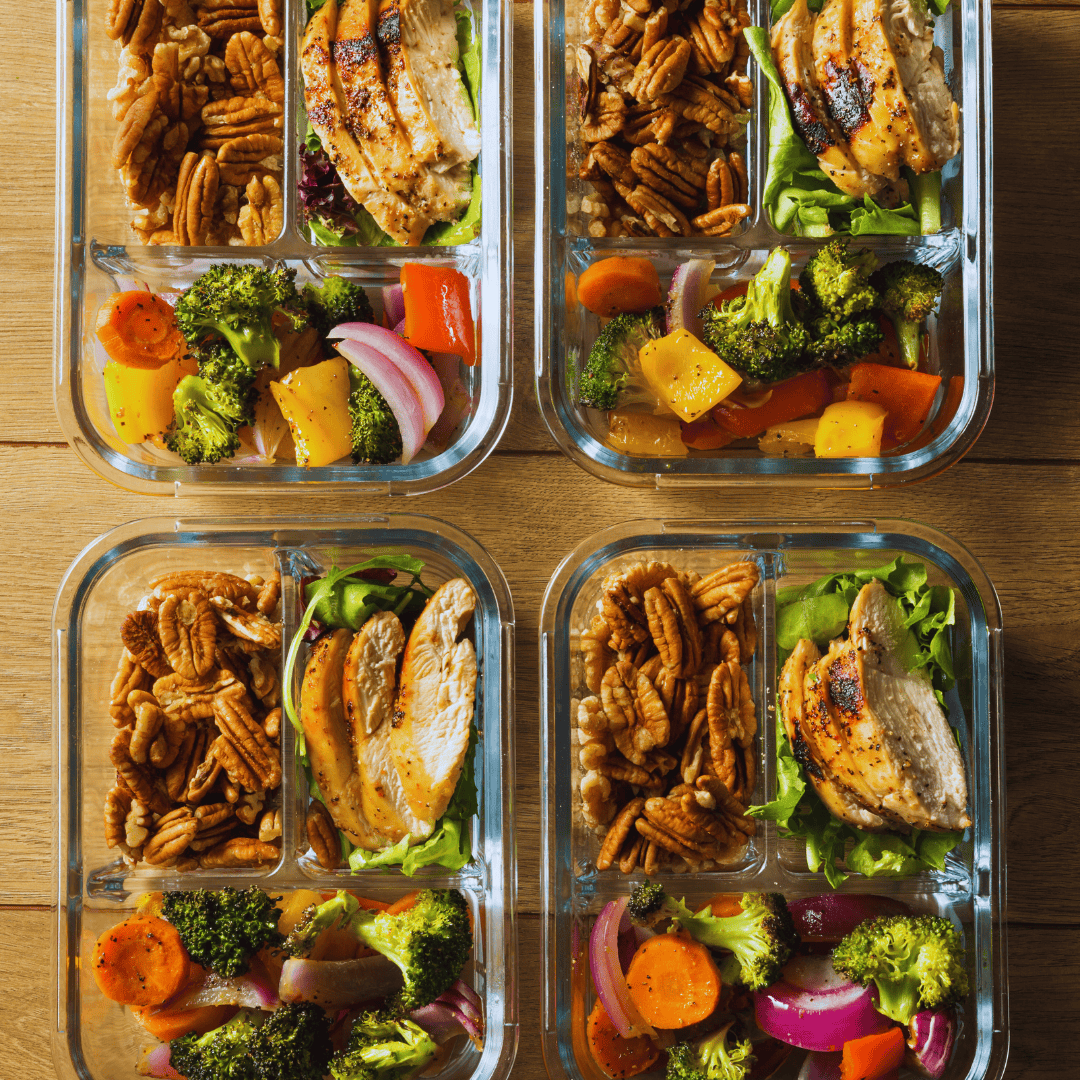
Prior to cooking, it is essential to organise all ingredients and tools. Begin by selecting easy meal prep recipes that integrate lean proteins, whole grains, and vegetables. For example, chicken meal prep can be a staple; sliced grilled chicken can be paired with quinoa and roasted vegetables.
Next, invest in high-quality storage options. Mason jars are excellent for salads, while larger containers work well for meal prep bowls. To maximise flavour, prepare sauces or marinades ahead of time and store them separately. This way, meals remain vibrant and fresh when it’s time to eat.
Cooking and Assembly
When it comes to cooking, batch cooking is key. Start with proteins like chicken, turkey, or beans, as these can be prepared in large quantities. Once cooked, divide the protein among containers.
Next, prepare grains such as brown rice or quinoa in bulk. These sides can complement various dishes, including freezer burritos. As for vegetables, opt for a mix of roasted, steamed, or raw.
The assembly should consider portion sizes, allowing for easy reheating. A typical meal prep bowl could consist of 1/3 protein, 1/3 grain, and 1/3 vegetables.
Storing and Preserving Your Meals
Proper storage extends the lifespan of prepared meals. Refrigerate meals intended for consumption within the next few days. For longer-term options, it’s prudent to freeze meals.
Label containers with dates to track freshness. Use airtight containers or individual freezer bags for items like freezer burritos to prevent freezer burn.
When it’s time to eat, reheat meals thoroughly before serving. Some meals may require additional seasoning after freezing to enhance flavour.
Sample Meal Prep Ideas
Meal prepping can simplify week-long dining by providing healthy options ready to go. Here are ideas for breakfast, lunch, dinner, and snacks, focusing on variety and nutrition.
Breakfast Options
Starting the day with a nutritious breakfast is essential. Overnight oats can be prepared in various flavours by combining rolled oats, milk or yogurt, and toppings such as fruits or nuts. For a savoury option, egg muffins with vegetables and cheese can be baked in advance and stored for easy reheating.
Breakfast burritos filled with scrambled eggs, beans, and vegetables can be wrapped tightly and frozen, making them perfect for a quick meal. For a sweeter option, consider baked oatmeal. This dish can be portioned out and served warm or cold, and it pairs well with fruits or a dollop of yogurt.
Lunch Selections
Lunch can be made exciting with diverse flavours. Lentil salad provides protein and fibre and can be easily customised with various vegetables and dressings. Turkey meatballs can be batch-cooked and stored for the week, ideal for pairing with different sides such as zucchini noodles or whole-grain rice.
Burrito bowls are another excellent choice, allowing for flexibility. Cooked rice or quinoa forms the base and is topped with beans, grilled chicken, or vegetables. For a refreshing option, consider sesame noodle bowls made with whole-grain noodles, mixed vegetables, and a light sesame dressing. These can be served cold or warm.
Dinner and Snack Creations
Dinner can be simplified with easy-to-reheat dishes. Stuffed peppers filled with quinoa, black beans, and spices can be made ahead and stored in portioned containers. Another satisfying option is the chicken quinoa bowl, combining seasoned chicken breast with cooked quinoa and steamed vegetables.
For snacks, consider meal-prep breakfast sandwiches using whole-grain bread, eggs, and avocado. These can be assembled in advance and stored in the fridge or freezer.
Including a variety of flavours and textures can elevate any meal prep plan while ensuring balanced nutrition throughout the week.