Many people assume staying hydrated only means drinking water, but there are smarter ways to maintain optimal hydration. Hydration goes beyond water intake and includes consuming electrolyte-rich foods, balancing mineral levels, and managing fluid loss effectively. These approaches support the body’s ability to absorb and retain fluids better than water alone.
Incorporating hydration-friendly habits such as eating water-dense fruits, adjusting salt intake, and understanding individual hydration needs can improve overall well-being. Recognising these strategies helps people stay hydrated more consistently, especially during physical activity or hot weather.
Creative Hydration Strategies Beyond Plain Water
Hydration can be improved by adding flavour, nutrients, or variety to plain water. Using natural ingredients and beverages beyond water can make staying hydrated more enjoyable and effective. These strategies include flavourful infusions, herbal teas, and nutrient-rich smoothies.
Infused Water Ideas for Enhanced Flavour
Infused water is a popular hydration hack that adds natural flavours without extra sugar or calories. Combining sliced fruits like lemon, cucumber, or berries with herbs such as basil or mint enhances taste and provides antioxidants.
Adding ginger or a few sprigs of rosemary can also boost hydration with subtle spice or aroma. Infused water can be stored in a sealed container for up to 24 hours to maintain freshness.
Flavoured sparkling water is another alternative, offering carbonation with natural fruit extracts. It provides hydration with a refreshing twist, often preferred by those who find plain water bland.
Herbal and Caffeine-Free Teas for Daily Hydration
Herbal teas like peppermint, chamomile, and ginger are hydrating drinks that help diversify fluid intake. These teas are naturally caffeine-free, making them suitable for consumption throughout the day without affecting sleep.
Peppermint tea supports digestion and offers a cooling sensation. Chamomile is known for its calming effects, while ginger tea may ease nausea and improve hydration with added minerals.
These teas can be consumed hot or cold, making them versatile hydration strategies. Avoid added sugar or sweeteners to maintain their hydrating benefits.
Hydrating Smoothies and Blended Drinks
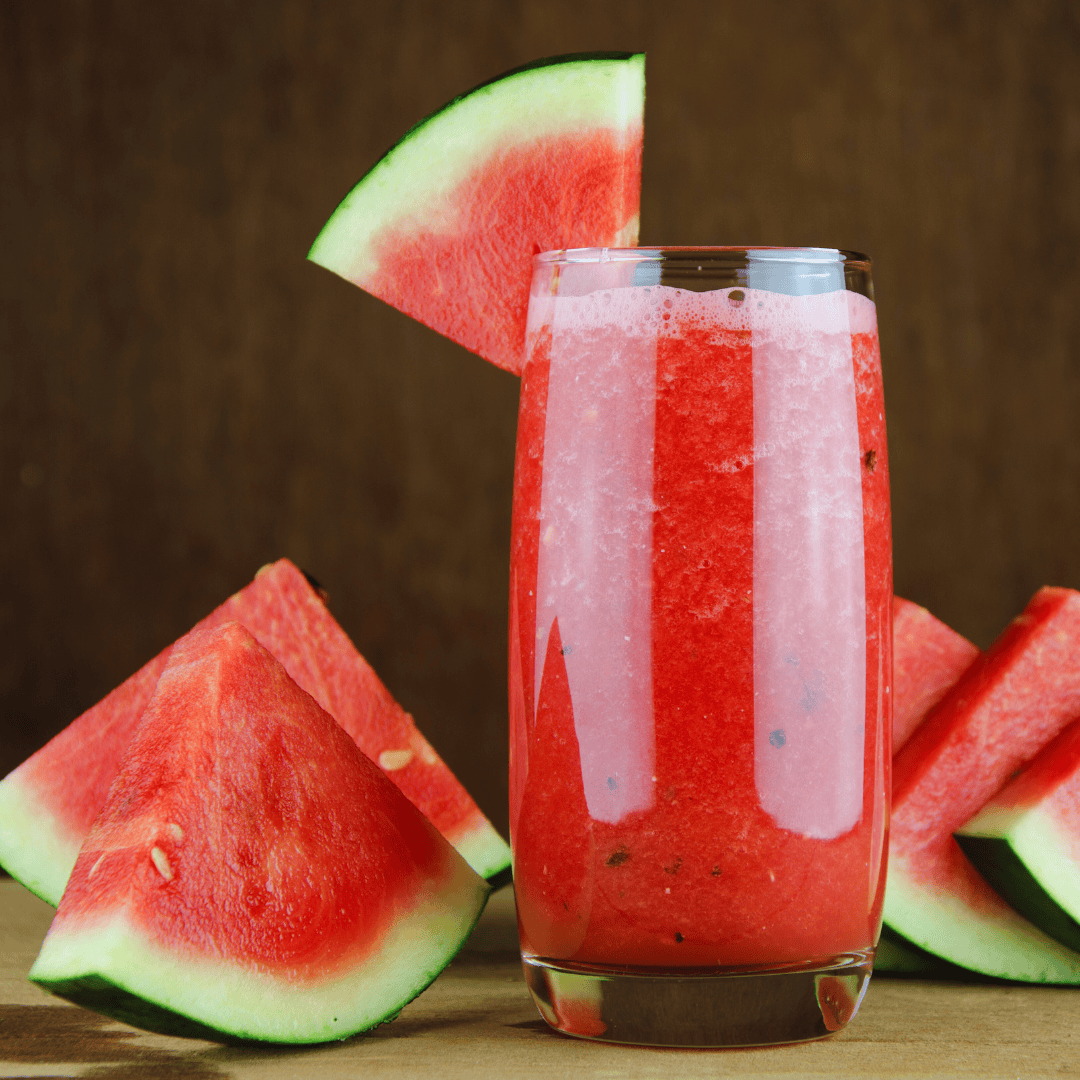
Smoothies can be effective hydration strategies when made with water-rich ingredients like coconut water, cucumber, and watermelon. Coconut water, in particular, provides electrolytes which support hydration better than plain water.
Blending fruits such as berries, spinach, and basil adds vitamins, antioxidants, and minerals that enhance fluid absorption. Smoothies must avoid excessive dairy or sugary additives to stay hydrated.
Using a base of herbal teas or diluted fruit juice can increase hydration while maintaining flavour. These blended drinks combine hydration with energy and nutrients, ideal for active individuals.
How Food Contributes to Your Hydration
Food can significantly aid hydration by providing water alongside nutrients and fibre. Certain fruits and vegetables offer high water content, making them effective in maintaining fluid balance. Including these in daily meals supports digestion and overall hydration.
Top Water-Rich Fruits and Vegetables
Cucumbers and celery contain approximately 95% water, making them some of the most hydrating vegetables. Watermelon is also a key hydrating fruit, consisting of about 92% water, along with natural sugars that provide quick energy.
Berries, especially strawberries, have roughly 91% water content. Oranges combine hydration with vitamin C, supporting immune function. Lettuce offers hydration too, typically made up of 95% water, and contributes valuable fibre to aid digestion.
These water-rich foods help maintain hydration while providing vitamins, minerals, and antioxidants.
Incorporating Hydrating Foods into Your Meals
Including hydrating foods in meals can improve daily fluid intake without relying solely on drinking water. Salads that mix lettuce, cucumbers, celery, and strawberries offer a refreshing, water-filled option.
Adding watermelon or oranges as snacks or dessert boosts hydration and nutrient intake. Smoothies with berries and watery vegetables increase fluid consumption easily. Hydrating foods with fibre also support digestion, which can help the body use water more effectively.
Prioritising these foods encourages gradual, consistent hydration throughout the day.
The Role of Electrolytes and Mineral Balance
Electrolytes like sodium, potassium, magnesium, and calcium are critical for maintaining hydration and bodily functions. Effective hydration requires not just fluid intake but also a proper balance of these minerals to support nerve signals, muscle function, and fluid regulation.
Natural Electrolyte Drinks and DIY Recipes
Natural electrolyte drinks contain minerals that replace fluid loss and balance electrolytes. Coconut water is rich in potassium, magnesium, and calcium, making it a popular natural option. It contains less sodium than many commercial sports drinks but offers a good mineral balance.
DIY electrolyte drinks can be made by mixing water with ingredients such as a pinch of sea salt (for sodium), fresh lemon juice, and a small amount of natural sweetener like honey. Bone broth also provides sodium and minerals while supporting hydration and muscle function.
For a simple homemade recipe:
- 500ml water
- 1/4 teaspoon sea salt
- Juice of half a lemon
- 1 teaspoon honey
This mix helps replace lost electrolytes in a natural, balanced way.
Balancing Electrolytes During Exercise and Heat
During intense exercise or heat exposure, the body loses electrolytes mainly through sweat, with sodium being the primary loss. Failure to replace sodium and potassium can cause muscle cramps and fatigue.
Electrolyte balance is vital to maintain fluid retention and prevent dehydration. Consuming drinks that include both sodium and potassium supports this balance better than water alone. Magnesium and calcium, while lost in smaller amounts, are essential for muscle contraction and relaxation.
Athletes and those in hot climates should consider electrolyte drinks or natural options like broths to quickly restore mineral levels and support hydration. Regular intake during prolonged activity helps avoid imbalances that impair performance or cause cramps.
Building a Sustainable Hydration Routine
Creating a habit of regular fluid intake requires monitoring and awareness. Consistent hydration supports energy, focus, and overall health by preventing common issues like fatigue and headaches.
Tracking Fluid Intake with Technology
Hydration apps like Plant Nanny and Hydro Coach help users monitor daily fluid intake against personal hydration goals. These apps send reminders to drink, making it easier to meet the recommended eight glasses a day or tailored targets.
Many apps allow logging different beverages, noting their sugar content or caffeine levels. Users can also track water bottle refills to visualise progress.
Technology offers flexibility, adapting goals based on activity, weather, or health status. Regular tracking encourages accountability and builds a lasting hydration routine.
Identifying Signs of Dehydration and Overcoming Common Barriers
Recognising signs of dehydration, such as fatigue, headaches, dizziness, or impaired focus, is vital to maintaining hydration. Early detection prevents declines in mental and physical performance.
Common barriers include forgetfulness, dislike of plain water, and busy schedules. Using a hydration app’s alerts and carrying a refillable water bottle can reduce forgetfulness.
For those who find water bland, flavouring it naturally or alternating drinks without high sugar content can increase intake without compromising hydration. Setting specific times to drink, such as before meals or after activity, helps embed the habit into daily life.