Dressing can have a significant impact on how a person feels about themselves. Choosing clothes that fit well, suit personal style, and reflect inner values helps to build confidence from the inside out. This approach goes beyond appearance and affects mindset and self-assurance.
When someone feels comfortable and authentic in their clothing, it shapes how they carry themselves. It sends a message to both the wearer and others, reinforcing a positive self-image. Confidence grows as a natural result of aligning outer style with inner identity.
Understanding the connection between dress and self-esteem allows individuals to harness clothing as a tool for empowerment. Rather than following trends blindly, making thoughtful choices supports a genuine sense of confidence that starts within.
How Dressing Impacts Confidence
Clothing influences how people feel about themselves and how others perceive them. The right outfit can increase self-assurance by affecting mindset and social reactions. This interaction shapes a person’s self-esteem and helps create a positive first impression.
The Psychology of Dressing Well
Dressing well signals to the brain that one is prepared and competent. When someone chooses clothes that fit well and suit the occasion, it enhances their mood and outlook. This boost in confidence comes from feeling in control of one’s image and environment.
Appearance affects mental state by reinforcing self-worth. Wearing items that align with personal style promotes authenticity, which supports self-esteem. Consistently dressing well creates habits that maintain elevated levels of confidence throughout daily interactions.
Enclothed Cognition and Self-Perception
Enclothed cognition refers to the psychological impact clothing has on the wearer. Clothes are not just external; they affect cognitive processes and attitudes. For example, wearing formal attire can make someone think and behave more professionally.
This effect is strong because of associative meaning; garments carry cultural and personal significance. People interpret their own appearance, adjusting their behaviour to match the identity suggested by their outfit. Consequently, dressing in ways that embody self-assurance promotes a genuine confidence boost.
Positive First Impressions
Clothing plays a critical role in immediate social judgments. Others quickly assess traits like competence and trustworthiness based on dress. A well-chosen outfit can influence these assessments favourably, leading to positive first impressions.
First impressions affect ongoing interactions and opportunities. Dressing with care gives people an advantage in both personal and professional settings. It signals respect for oneself and others, which fosters mutual confidence and ease in communication.
Building a Wardrobe to Enhance Self-Belief
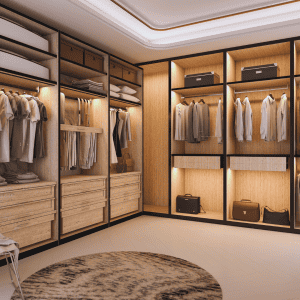
A well-selected wardrobe supports self-belief by making dressing efficient and intentional. The focus lies in choosing pieces that fit well, express personal style, and suit different settings.
Curating a Confidence-Boosting Wardrobe
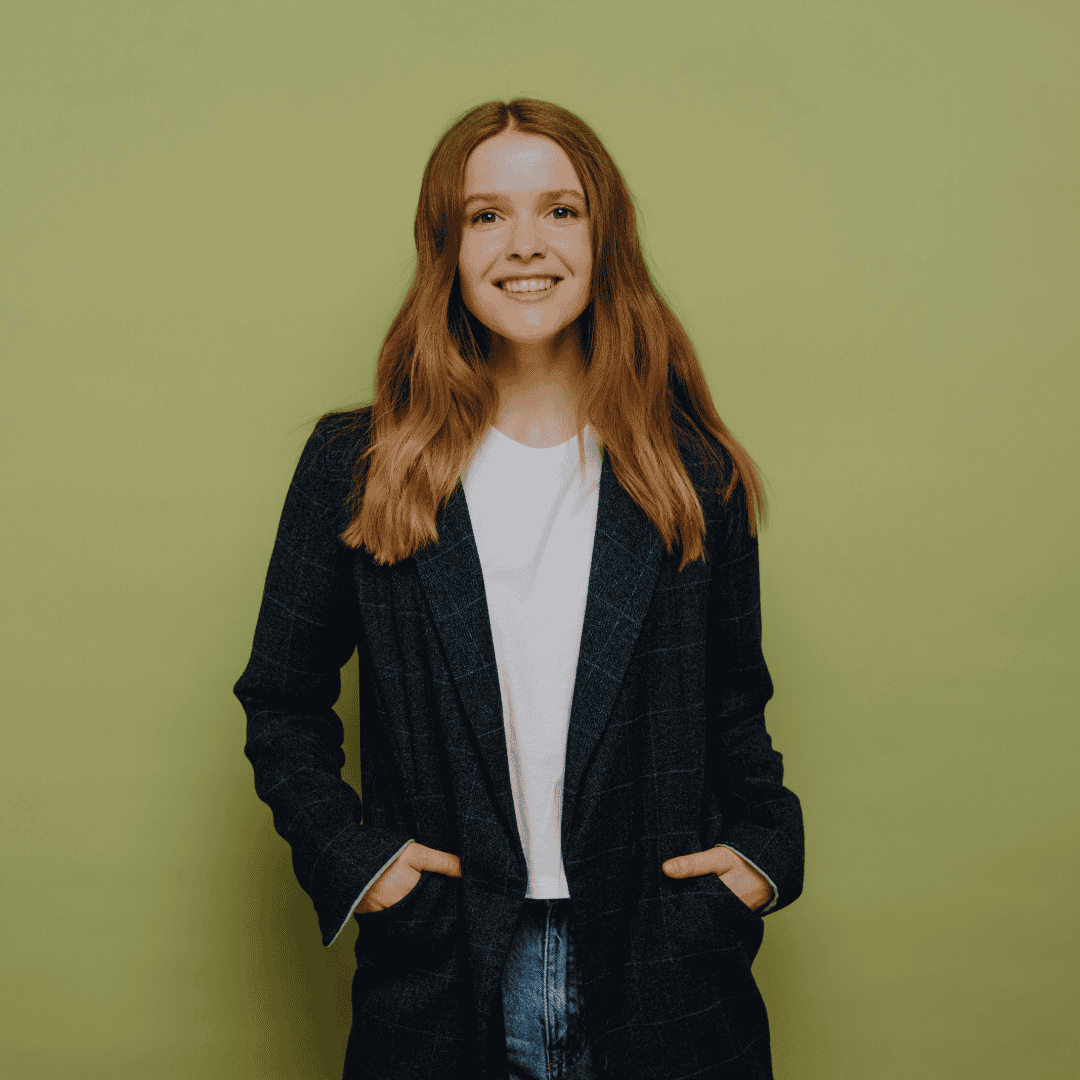
Building a wardrobe starts with quality basics that fit perfectly. Items like a tailored blazer, classic tees, and comfortable trousers create a foundation. These pieces should complement body shape and skin tone.
Consistency in colour and fabric choice helps avoid daily decision fatigue. Neutral colours like navy, black, and white allow mixing and matching easily. Confidence grows when clothes feel natural and comfortable.
Adding a few statement pieces, such as a bold jacket or patterned blouse, encourages individuality. This balance supports dressing well without overcomplicating the wardrobe.
Essential Pieces for Everyday Confidence
Every day, confidence comes from reliable staples. A well-fitting tee, versatile blazer, and tailored trousers or jeans are essentials. These can be dressed up or down.
The tailored blazer boosts posture and appearance instantly. When paired with jeans or skirts, it transitions smoothly from casual to professional.
Comfort is as important as style. Fabrics that allow movement and breathability prevent distraction and discomfort, improving focus and confidence during daily activities.
Selecting the Right Outfit for Various Occasions
Choosing the right outfit depends on the purpose and environment. For formal settings, a tailored blazer combined with smart trousers or a midi skirt works best. It signals professionalism and control.
Casual occasions offer more flexibility, favouring layers like tees with cardigans or denim jackets. The goal is to feel at ease while still looking intentional.
When attending social events, integrating colours or accessories that enhance mood can elevate self-belief. Matching shoes and belts also contribute to a polished look that supports confidence throughout the day.
Personal Style and Self-Expression
Building confidence through clothing starts with understanding how style reflects personality and body characteristics. Choosing pieces that align with natural features and identity creates comfort and authenticity.
Discovering Your Unique Style
Finding personal style requires exploring different clothing types, fabrics, and colours to determine what feels natural. He or she should consider lifestyle, comfort, and the impression they want to make.
A practical approach is to create a mood board with items that attract attention. Taking note of consistent patterns in preferences will clarify signature elements, whether minimalist, bold, classic, or eclectic.
Trial and error in various settings helps refine choices. Confidence grows when outfits resonate with inner values rather than external trends or pressures.
Dressing for Skin Tone and Body Shape
Selecting colours that complement skin tone enhances natural brightness. Cool undertones often suit blues and purples, while warm undertones match oranges and olive greens.
Understanding body shape guides garment cuts that balance proportions. For example:
|
Body Shape |
Recommended Features |
|
Hourglass |
Fitted waists, structured tops |
|
Pear |
A-line skirts, darker bottoms |
|
Apple |
Flowy tops, V-necklines |
|
Rectangle |
Belts to define waist, layered textures |
Clothing that fits well without restricting movement promotes self-assurance by emphasising assets instead of concealing perceived flaws.
Expressing Identity Through Outfit Choices
Clothing acts as a non-verbal communicator of values, interests, and mood. By selecting items that reflect creativity, professionalism, or relaxation, one projects an authentic self-image.
Incorporating accessories, patterns, or signature colours can highlight personality traits. For instance, a bold watch or distinctive scarf signals attention to detail and style.
Self-expression through dress fosters self-awareness and invites positive feedback in social and professional spaces. It also enables adapting looks to different emotional states while maintaining consistency with personal identity.
Self-Care, Routine, and Maintaining Confidence
Confidence is supported by consistent habits that involve both physical appearance and mental well-being. Focusing on daily self-care and clothing choices can help maintain a positive self-image that lasts beyond the mirror.
The Role of Self-Care in Confidence
Self-care directly impacts self-esteem by promoting a sense of control and well-being. Simple habits like regular skincare, adequate sleep, and balanced nutrition influence how someone feels about themselves. Beyond everyday skincare, some people look into targeted procedures when aging around the eyes makes them look tired. Sagging skin or heavy bags on the eyelids can affect how refreshed a person feels in their day-to-day life. Options like Blepharoplasty in New Orleans help reduce extra skin and puffiness around the upper or lower eyelids. Removing this excess tissue gives the face a more rested appearance. Making these subtle changes often helps people feel more at ease with their natural features.
Other non-surgical options also help people feel more comfortable in their own skin. For instance, many individuals choose to address volume loss in their lips to achieve a more balanced facial appearance. Treatments like lip filler Charlotte use hyaluronic acid to add subtle shape and definition. These quick sessions have minimal downtime and fit easily into a busy routine. The results are temporary but often give a noticeable boost to daily self-assurance.
Taking time for these practices signals respect for oneself, which builds internal confidence. Neglecting self-care can erode self-worth and affect how others perceive an individual. Therefore, routines that prioritise physical and mental health serve as a foundation for dressing confidently.
Investing in Well-Fitting Clothing
Clothing that fits properly enhances comfort and posture, which are critical to appearing and feeling confident. A well-fitting garment neither restricts movement nor creates discomfort, helping wearers focus on interactions rather than adjustments.
Tailoring allows individuals to adjust off-the-rack items for an optimal fit, making even inexpensive clothes look polished. Investing in quality basics tailored to one’s body saves time and reduces wardrobe frustration. This practical approach supports long-term confidence by eliminating distractions caused by ill-fitting outfits.
Sustaining Confidence from the Inside Out
Confidence is strengthened by aligning external appearance with personal values and self-perception. Wearing clothes that reflect individual style and personality creates authenticity, which contributes to sustained self-assurance.
Mental routines such as positive self-talk and reflection reinforce the benefits gained from dressing well and taking care of oneself. Combined, these habits create a cycle that feeds confidence rather than relying solely on external validation.