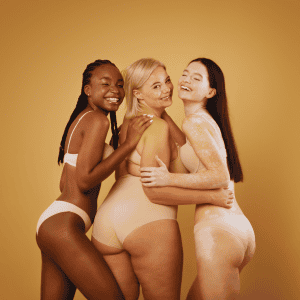
Dressing for one’s body shape does not have to be complicated or overwhelming. Many people struggle with finding clothes that fit well and highlight their best features. Understanding the basics of your shape allows for smarter choices that simplify dressing and boost confidence.
By focusing on cuts and styles that complement specific body proportions, anyone can create a wardrobe that feels both comfortable and flattering. This approach eliminates guesswork and makes shopping a more straightforward experience.
The key lies in recognising which fits enhance natural lines rather than hiding them. This article will guide readers through practical steps to dress their shape without stress.
Understanding Your Body Shape
Knowing your body shape helps you choose clothes that fit well and highlight your best features. Different shapes require different styling approaches. Identifying the right shape involves measurements and observing proportions.
How to Identify Your Body Shape
To identify a body shape, measure key areas: shoulders, bust, waist, and hips. Compare these measurements to see which parts are the widest or narrowest.
Look for the balance between shoulders and hips, and the waist’s definition. For example, a defined waist with balanced shoulders and hips suggests an hourglass shape.
Observe your body’s silhouette standing straight. Notice if your weight is mostly around the middle, bottom, or evenly spread.
Common Body Shape Categories
There are five common body shapes: hourglass, rectangle, pear, apple, and inverted triangle.
- Hourglass: Well-defined waist with shoulders and hips roughly equal in width.
- Rectangle: Shoulders, waist, and hips are about the same width with little waist definition.
- Pear: Hips wider than shoulders with a defined waist.
- Apple: Broad shoulders and bust with a fuller midsection.
- Inverted Triangle: Broad shoulders that are wider than the hips.
Each shape responds best to specific styles that enhance balance and proportion.
Why Body Shape Matters for Style
Dressing for body shape improves confidence by emphasising strengths and minimising areas a person may feel self-conscious about.
Many people find that changes in their physical shape over time affect how their clothes fit. Weight fluctuations, pregnancy, and aging often alter the bustline and make it hard to wear certain necklines. Some individuals choose to address these changes through cosmetic procedures to restore their natural proportions.
If you want to address sagging tissue and restore a firmer shape, a breast lift Atlanta can help you feel more comfortable in your favorite outfits. This type of adjustment often makes shopping for tailored clothing much simpler.
Similarly, some people want to add volume and shape to their lower body to balance out their proportions. This is often done by moving fat from areas like the stomach or thighs to the buttocks. A popular option for this type of contouring is a Brazilian butt lift Houston. This procedure helps create a more defined waist and a balanced silhouette. With these changes, clothes like fitted skirts and dresses often fit much better.
For example, those with a pear shape benefit from styles that broaden the shoulders and slim the hips. People with an apple shape can opt for clothing that elongates the torso and draws attention away from the waist.
Understanding body shape also prevents costly fashion mistakes and saves time when shopping. It creates a foundation to build a wardrobe that fits properly and feels comfortable.
Style Strategies for Each Body Shape
Understanding how to highlight strengths and create balance is essential for dressing each body shape. Specific garment choices and styling tricks can help accentuate the best features while minimising areas that the wearer might want to downplay.
Dressing the Hourglass Shape
The hourglass body shape benefits from emphasising the natural waist to highlight curves. Fitted styles work well, especially dresses and tops that cinch with a belt or have a defined seam at the waist.
V-necklines and wrap styles create balance and draw attention to the bust without adding bulk. Avoid boxy tops or shapeless garments that hide the waist. Structured jackets should follow the body’s natural curve and stop at or just above the hip for proportion.
Skirts that hug the hips but flare slightly, such as pencil or A-line styles, maintain harmony. Fabrics with slight stretch help maintain a smooth silhouette, enhancing the hourglass figure neatly.
Flattering Styles for the Triangle (Pear) Shape
For the triangle or pear shape, the goal is to balance the wider hips with the upper body. Tops with puff sleeves or structured shoulders add volume, creating a more proportional appearance.
Bright colours and patterns on top draw the eye upward, while darker, solid colours on the bottom can slim the hips. A-line and flared skirts disguise wider hips without clinging, allowing for ease and flow. High-waisted trousers or skirts define the waist and elongate the legs.
Avoid overly tight or tapered pants, as they highlight the hip area. Balanced accessories near the face, like statement earrings or scarves, also help lift the overall look.
Balancing the Inverted Triangle Shape
The inverted triangle shape often has broader shoulders and a narrower lower body. To balance this, wide-leg or flared trousers broaden the hips and create symmetry.
Necklines like a scoop or a boat neck soften the shoulder line. Avoid shoulder pads or puff sleeves, which increase upper body width. Tunics and tops with simple cuts work well, especially those that draw attention away from the shoulders.
Patterns and light colours on the bottom half help widen the hips visually. A belt at the waist can also add definition, preventing the silhouette from appearing top-heavy.
Tips for the Rectangle Shape
Rectangular shape is characterised by a straight silhouette with minimal waist definition. Creating curves through clothing is the main strategy here.
Peplum tops, wrapped dresses, and belted waists add the illusion of shape. Layered clothing or textured fabrics generate dimension without overwhelming the frame.
Necklines that open the chest, such as V-neck or scoop neck, add femininity. Flared skirts and tapered trousers help create the illusion of hips and a more defined waistline. Avoid shapeless, boxy silhouettes that hide the body’s natural lines.
Creating a Stress-Free Wardrobe
A well-organised wardrobe tailored to one’s body shape makes daily dressing easier and more effective. It involves selecting versatile pieces, smart accessories, and planning outfits that emphasise strengths without fuss.
Building a Capsule Wardrobe for Your Shape
A capsule wardrobe involves fewer items that mix and match effortlessly. To build one, start by choosing base pieces that flatter key areas, such as A-line skirts for pear shapes or structured jackets for rectangles.
Focus on neutral colours and timeless cuts to create a cohesive collection. Each item should enhance the body’s proportions, reduce decision fatigue, and maintain style consistency.
This approach avoids clutter and ensures every piece has a purpose. Including essential items like well-fitting trousers and simple tops makes creating outfits straightforward.
Choosing the Right Accessories
Accessories can define and balance a silhouette. For example, a belt can accentuate the waist, especially on rectangular or apple shapes, creating an hourglass illusion.
Select accessories that complement body features rather than overwhelm. Long necklaces suit longer torsos, while statement earrings can draw attention upwards for inverted triangles.
Avoid bulky accessories if they add unnecessary volume. Instead, opt for minimalist pieces that enhance your outfit’s structure and focus on your best attributes.
Planning Outfits with Confidence
Organising outfits ahead of time removes guesswork from dressing. He or she should pair key capsule pieces with accessories suited to their body shape for a balanced look.
Using a simple system, like planning outfits by day or event, adds consistency. Confidence grows when clothing choices feel intentional, reducing last-minute stress.
Keeping a record of favourite combinations can speed up mornings. It supports developing a personal style that’s both flattering and functional.